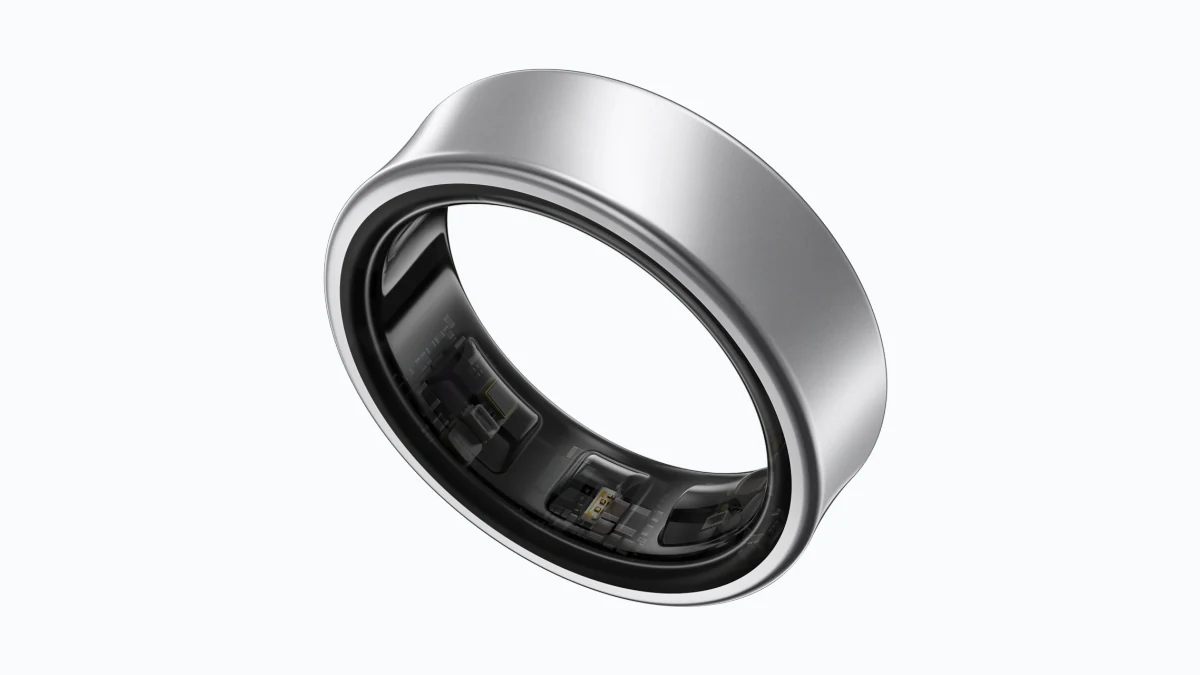
Why these six
Sleep tracking is one of the rare consumer categories where the hardware difference is real but small, and the behavioral difference is large. Two trackers with identical heart rate sensors will report similar sleep data. The one that changes your sleep is the one whose app you actually open the next morning.
We ranked these for that reality. Tracking accuracy matters as a baseline. Comfort during sleep matters more than any spec. App quality matters most of all, because the data is only useful if you read it.
The shortlist
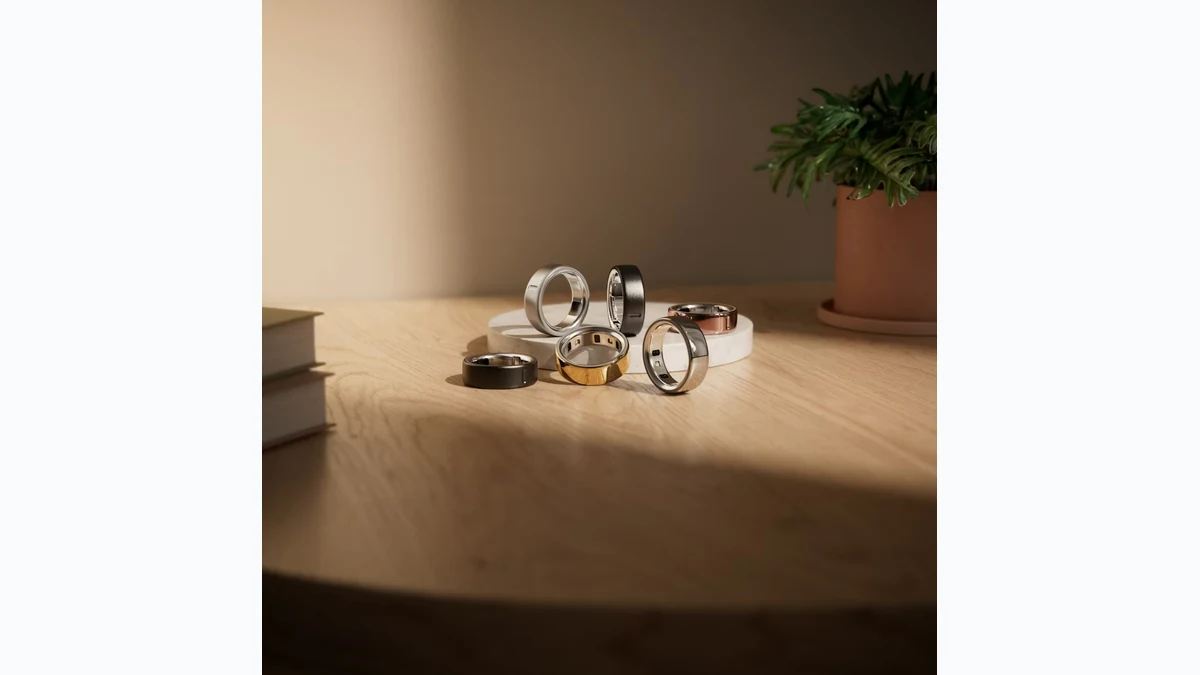
Oura Ring 4
The best sleep-first tracker for most people. Oura Ring 4 adds a full titanium design, recessed sensors, more sizes, up to 8 days of battery life, and the same behavior-changing Readiness and Sleep Scores that make Oura sticky.
Strengths
- Most sleep-focused app and form factor
- Up to 8 day battery life
- Ring is easier to sleep in than most watches
Tradeoffs
- Requires $5.99 monthly membership after the first month
- Requires Oura Ring 4 sizing, not standard ring sizing
Apple Watch Series 11
The best one-device answer for iPhone users. Series 11 adds sleep score, keeps sleep apnea notifications, improves battery life to up to 24 hours, and still handles everything Oura cannot: calls, apps, workouts, safety, and notifications.
Strengths
- Sleep score and sleep apnea notifications
- Up to 24 hour battery life
- Best integration with iPhone Health and third party apps
Tradeoffs
- Still needs daily charging for most people
- Only useful with an iPhone
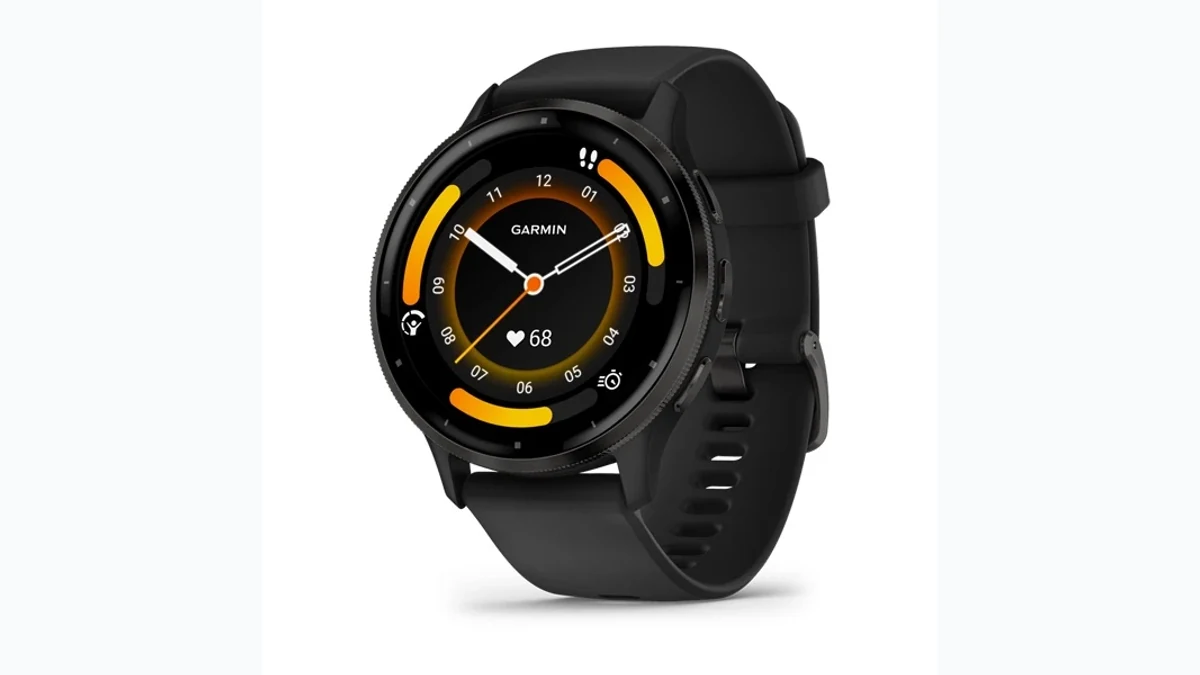
Garmin Venu 3
Garmin's Sleep Coach builds on five years of athlete data to tell you not just how you slept, but how much sleep you specifically need tonight based on training and recovery. 14 day battery means you can actually wear it through the week without thinking.
Strengths
- Sleep Coach gives personalized sleep targets, not generic advice
- 14 day battery, real wear it and forget it experience
- Body Battery score makes recovery legible
Tradeoffs
- Garmin app is dense, takes a week to settle into
- Most expensive watch on this list
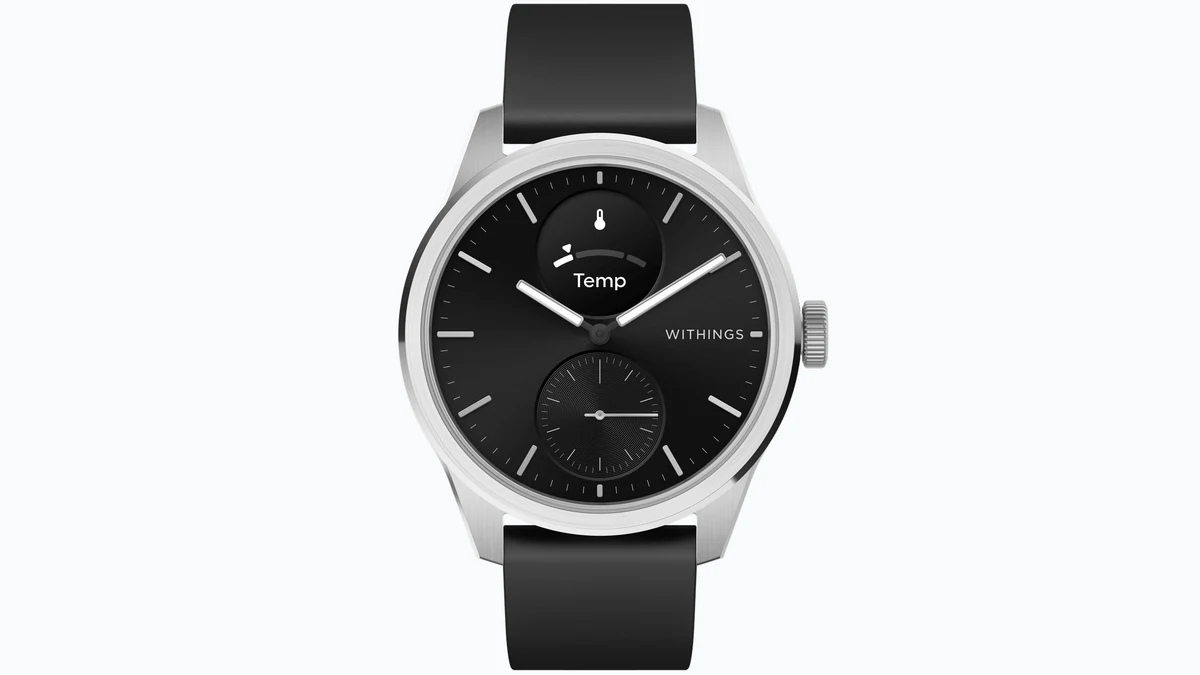
Withings ScanWatch 2
If you do not want to wear a fitness tracker, this is the answer. Looks like a Swiss watch, tracks sleep stages, ECG, SpO2, and temperature, 30 day battery. The right pick for someone who already owns a watch they like the look of and wants sleep data on top.
Strengths
- Indistinguishable from a regular analog watch
- 30 day battery, charge it monthly
- Medical grade ECG and AFib detection
Tradeoffs
- Smaller digital display limits at-a-glance use
- No GPS for outdoor workouts
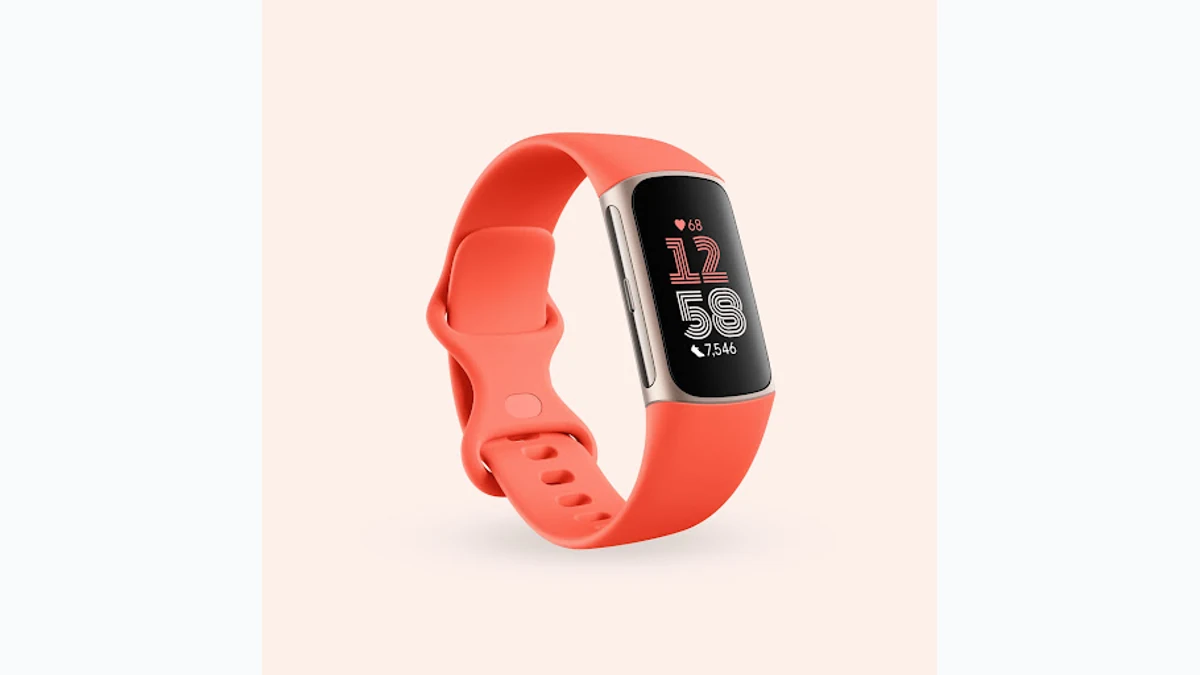
Fitbit Charge 6
Sleep Score, full sleep staging, daily Readiness, and a price under $160. The Fitbit app remains one of the most readable health apps for non technical users. The right first sleep tracker for anyone unsure they will stick with it.
Strengths
- Half the price of the next pick with similar core sleep data
- 7 day battery, charges in under 2 hours
- Best app for non technical users
Tradeoffs
- Premium membership unlocks the best features ($10 per month)
- Now owned by Google, ecosystem direction unclear
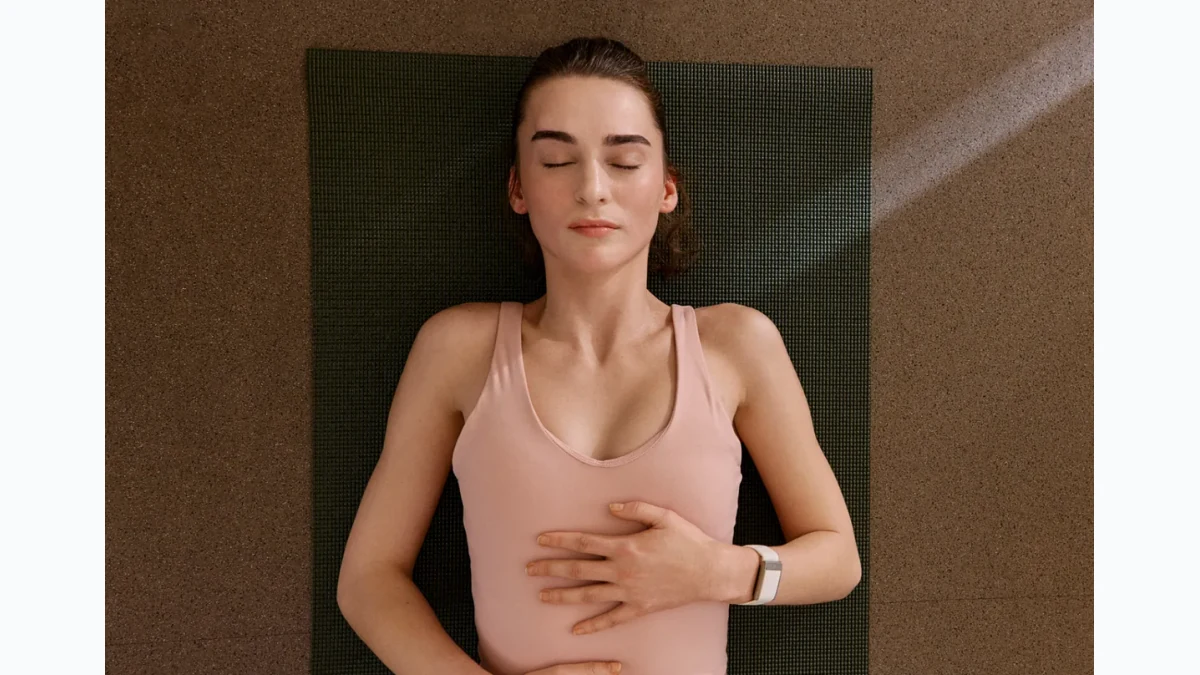
WHOOP 5.0
The best pick for athletes who want sleep, strain, recovery, and coaching without a screen. The catch is the business model: WHOOP is a membership, not a normal hardware purchase.
Strengths
- 14+ day battery life
- Strongest recovery and strain coaching
- No screen or notifications in bed
Tradeoffs
- Subscription required forever
- Less useful if you only want simple sleep duration
Side by side
| Tracker | Price | Battery | Form factor | Best for |
|---|---|---|---|---|
| Oura Ring 4 | $349 | Up to 8 days | Ring | Best overall |
| Apple Watch Series 11 | $399 | Up to 24 hours | Smartwatch | iPhone users |
| Garmin Venu 3 | $449 | 14 days | Smartwatch | Sleep coaching |
| Withings ScanWatch 2 | $349 | 30 days | Hybrid watch | Looks like a watch |
| Fitbit Charge 6 | $159 | 7 days | Wristband | Budget |
| WHOOP 5.0 | $199/year | 14+ days | Screenless band | Recovery subscription |
How to read this list
If sleep is the actual reason you are buying a tracker, the Oura Ring 4 is the answer for most people. It is the one you will feel least when wearing to bed, and the app is the most opinionated about what to do with the data. The downside is the subscription, which is small but real.
The Apple Watch Series 11 is the right pick if you already use or want an Apple Watch and the Oura would be a second device. Sleep score and sleep apnea notifications make it Apple’s strongest sleep watch yet. The Garmin Venu 3 is the right pick if you train hard and want sleep advice tied to recovery. The Withings ScanWatch 2 is the right pick if you want a real-looking watch that happens to also be a tracker, with a battery that lasts a month. The Fitbit Charge 6 is the right first sleep tracker. The WHOOP 5.0 is the right pick if you want coaching and accept that the subscription is the product.
Related sleep tracker decisions
- If sleep is the main reason you are buying, read the full Oura Ring 4 review.
- If you know you want a ring-style tracker, start with the best smart rings.
- If sleep tracking is the only reason you want a ring, read best smart rings for sleep tracking.
- If you like Oura but want cheaper, no-subscription, Galaxy, Zepp, Apple, or Garmin alternatives, read the best Oura Ring alternatives.
- If recurring fees annoy you, start with the best sleep trackers without a subscription.
- If you are choosing between a ring and an iPhone watch, read Oura Ring 4 vs Apple Watch Series 11.
- If you are choosing between Oura comfort and Garmin recovery coaching, read Oura Ring 4 vs Garmin Venu 3.
- If you are choosing between Oura and Samsung’s ring, read Oura Ring 4 vs Samsung Galaxy Ring.
- If you already know you want Samsung’s ring, read the full Samsung Galaxy Ring review.
- If you are choosing between iPhone utility and subscription-free recovery coaching, read Apple Watch Series 11 vs Garmin Venu 3.
- If you want the best one-device iPhone wearable, read the full Apple Watch Series 11 review.
- If you are choosing between Apple Watch utility and Fitbit’s lower price, read Apple Watch Series 11 vs Fitbit Charge 6.
- If you are choosing between Oura’s premium ring and Fitbit’s starter band, read Oura Ring 4 vs Fitbit Charge 6.
- If you are choosing between Oura’s sleep app and Withings’ normal-watch design, read Oura Ring 4 vs Withings ScanWatch 2.
- If you are choosing between Fitbit’s low price and Withings’ traditional health-watch design, read Fitbit Charge 6 vs Withings ScanWatch 2.
- If you are choosing between an iPhone smartwatch and Withings’ traditional health-watch design, read Apple Watch Series 11 vs Withings ScanWatch 2.
- If you are choosing between Samsung’s sleep ring and Withings’ traditional health-watch design, read Samsung Galaxy Ring vs Withings ScanWatch 2.
- If you are comparing two subscription-heavy recovery platforms, read Oura Ring 4 vs WHOOP 5.0.
- If you are choosing between Apple Watch utility and WHOOP’s screenless recovery subscription, read Apple Watch Series 11 vs WHOOP 5.0.
- If you are choosing between an iPhone smartwatch and Samsung’s no-subscription sleep ring, read Apple Watch Series 11 vs Samsung Galaxy Ring.
- If you are choosing between Samsung’s sleep ring and Fitbit’s cheap starter band, read Samsung Galaxy Ring vs Fitbit Charge 6.
- If you are choosing between Samsung’s sleep ring and Garmin’s recovery watch, read Samsung Galaxy Ring vs Garmin Venu 3.
- If you are choosing between Samsung’s sleep ring and WHOOP’s recovery subscription, read Samsung Galaxy Ring vs WHOOP 5.0.
- If training recovery is the main reason you are buying, read the full WHOOP 5.0 review.
- If you are choosing between Garmin ownership and WHOOP’s recovery subscription, read Garmin Venu 3 vs WHOOP 5.0.
- If you want the lowest-cost real sleep tracker, read the full Fitbit Charge 6 review.
- If you are choosing between Fitbit’s low price and Garmin’s recovery depth, read Fitbit Charge 6 vs Garmin Venu 3.
- If you are choosing between Fitbit’s low price and WHOOP’s annual recovery coaching, read Fitbit Charge 6 vs WHOOP 5.0.
- If you want sleep coaching without another subscription, read the full Garmin Venu 3 review.
- If you want a tracker that looks like a traditional watch, read the full Withings ScanWatch 2 review.
- If you are choosing between Withings design and Garmin recovery coaching, read Withings ScanWatch 2 vs Garmin Venu 3.
The bottom line
For most people who specifically want better sleep, the Oura Ring 4 is the smart buy. Comfort, accuracy, and an app focused on the right thing.
Choose Apple Watch Series 11 if you want one device. Choose the Garmin Venu 3 if you train and want recovery data. Choose the Withings ScanWatch 2 if you do not want a fitness tracker on your wrist. Choose the Fitbit Charge 6 if you want the cheapest real sleep tracker that is still worth wearing. Choose WHOOP 5.0 if recovery coaching matters more than owning hardware outright.
Frequently asked questions
Wrist or ring, which is more accurate for sleep?
Ring, in independent testing. The Oura Ring sits flush against the finger arteries with no motion noise from arm position changes. Wrist trackers like the Apple Watch and Garmin are close but slightly less accurate on sleep staging. For raw sleep duration, both are accurate within 5 minutes of polysomnography.
Do I really need a sleep tracker?
If you want to change your sleep, yes. You cannot improve what you do not measure, and people are bad at estimating their own sleep duration and quality. The behavioral nudge from seeing a 6.2 hour Sleep Score in the morning is the main mechanism that improves sleep. The tracker itself does not improve anything; you do.
What about Eight Sleep?
Eight Sleep is excellent in its lane, but it is a smart mattress system, not a wearable tracker. If you can spend $2,000+ on sleep climate, it deserves a look. This guide is for trackers you wear.
Will my insurance or HSA cover any of these?
Oura Ring 4 and Withings ScanWatch 2 are the cleanest HSA/FSA-style candidates. Apple Watch and Garmin can sometimes qualify with a letter of medical necessity. Check your plan before buying. Fitbit Charge 6 usually does not qualify.
Which one is best if I share a bed with a partner?
Any of the wearables on this list, because they only track the person wearing them. Under mattress or bedside trackers like the older Withings Sleep Mat can confuse two sleepers in one bed. Wearables sidestep the problem entirely.
How do these handle naps?
Oura Ring detects naps automatically and adds them to the day's sleep total. Apple Watch and Garmin Venu 3 can account for naps inside their sleep and recovery ecosystems. Fitbit handles naps best with Premium. Withings detects sleep automatically, and WHOOP rolls naps into recovery. All six are usable for naps, with Oura being the least intrusive.
What is the most important spec to compare?
Comfort during sleep. The tracker you actually wear every night beats the tracker with better specs that sits in a drawer. The Oura wins on comfort if rings work for your hands. The ScanWatch 2 wins if you already wear a watch to bed. The Charge 6 is the most comfortable Fitbit they have made. The Apple Watch and Garmin are bulkier; both are fine to sleep in but not as light as the others.
More from Sleep & Wellness
For broader health-adjacent tech, start with the sleep tracker decision guide.