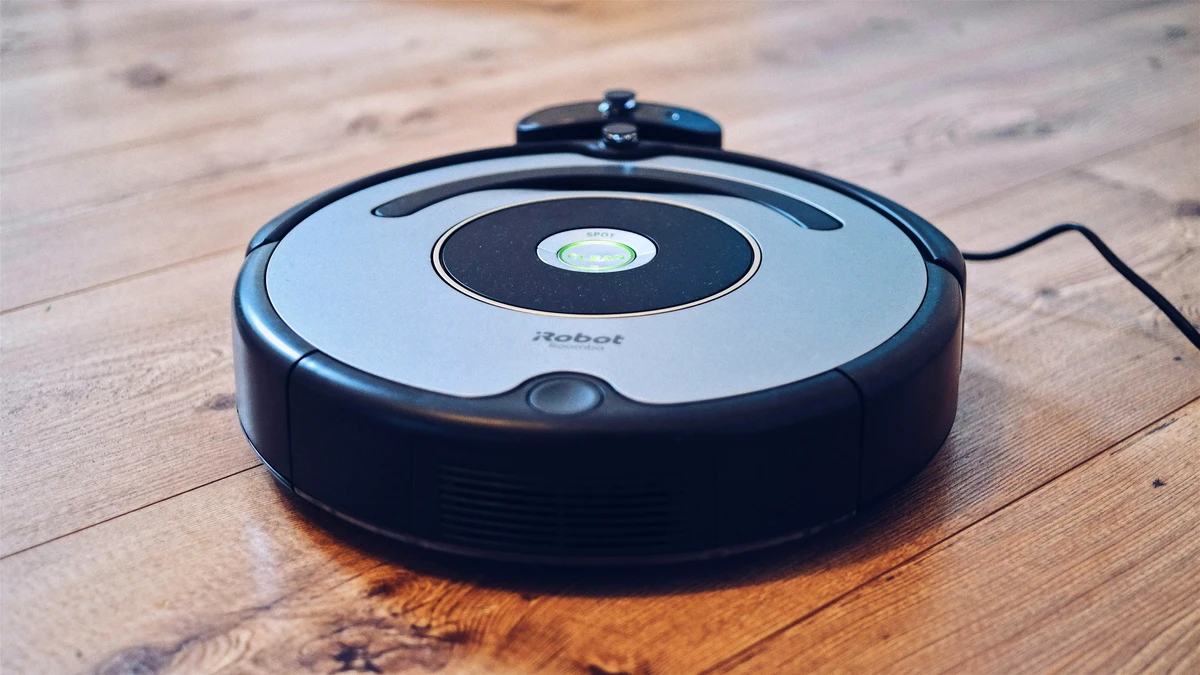
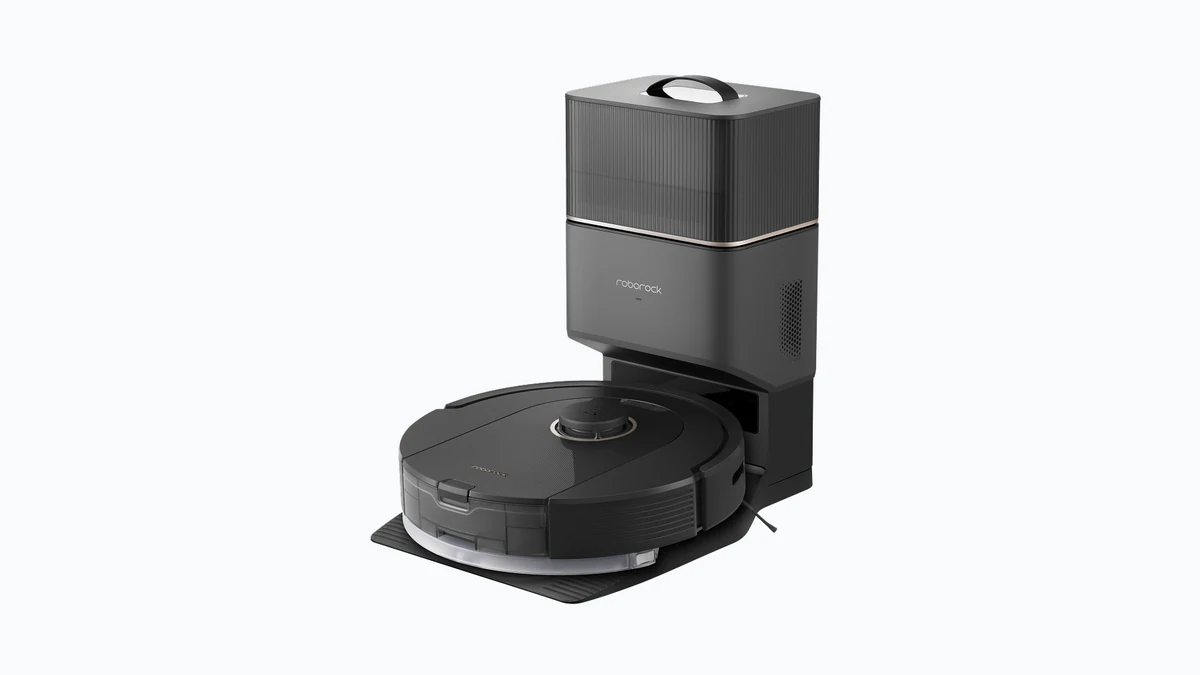
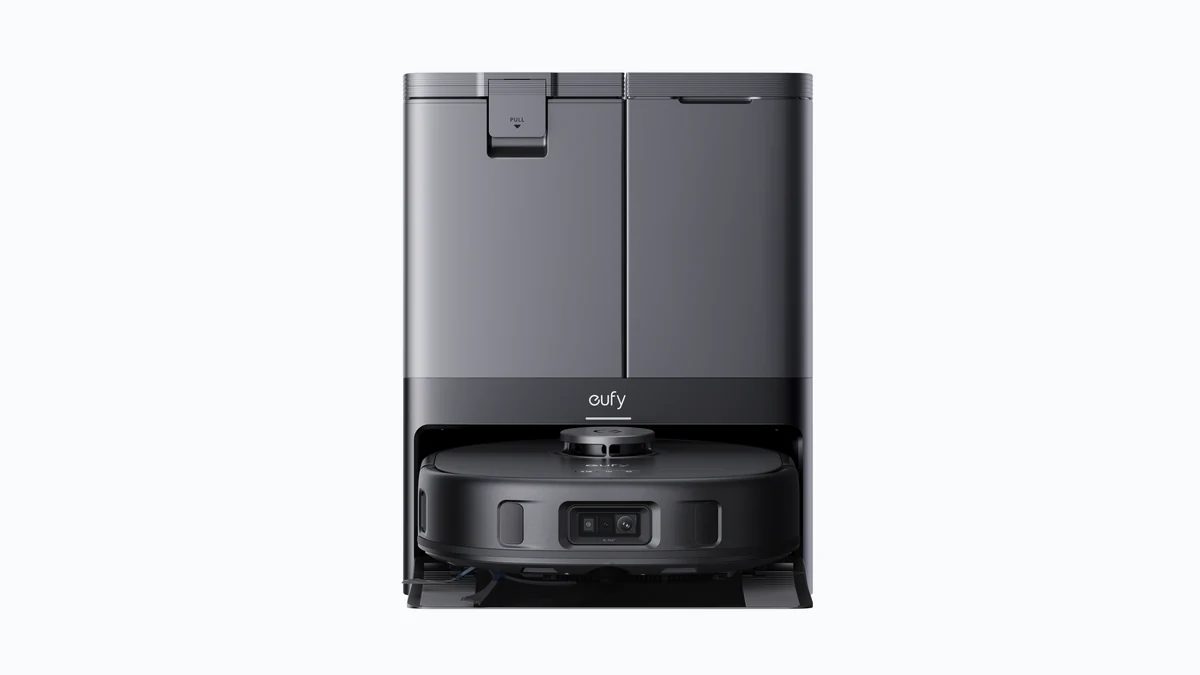
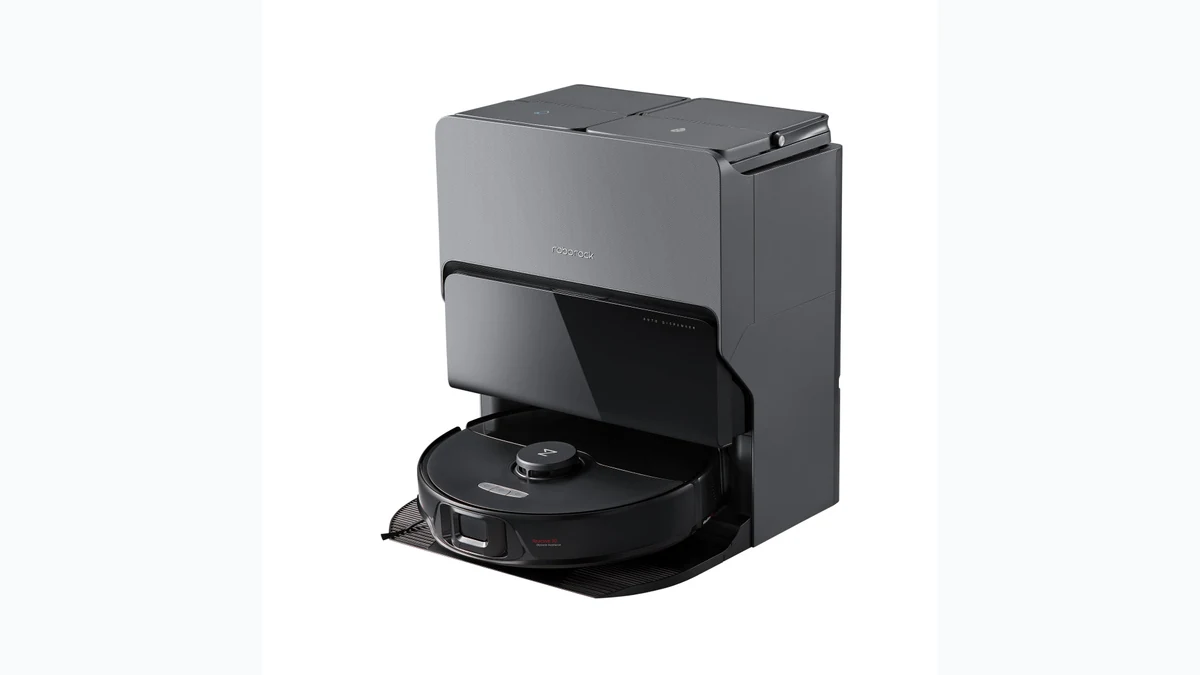
Robot vacuums have come a long way from quirky novelties to genuinely useful home cleaning tools. If you're thinking about investing in one for 2025, you're looking at an increasingly crowded market with options ranging from budget-friendly models to premium machines that rival traditional vacuums in power and intelligence. This robot vacuum buying guide will walk you through everything you need to consider—from suction power and floor coverage to smart features and maintenance—so you can find the perfect fit for your home.
Why Robot Vacuums Are Worth Considering in 2025
The appeal of a robot vacuum is obvious: automatic cleaning without you lifting a finger. But it's more than convenience. Modern robot vacuums are significantly better at their job than they were even two years ago. They're quieter, more powerful, smarter about navigation, and better at handling pet hair and debris on various floor types. They also integrate seamlessly with smart home ecosystems, allowing you to schedule cleaning sessions from your phone or voice-control them alongside your other smart devices.
That said, robot vacuums aren't a replacement for all your cleaning needs—they're more of a supplement. They excel at maintaining clean floors between deep cleanings, and they're particularly valuable if you have pets, a busy lifestyle, or simply want to free up time spent pushing a traditional vacuum around.
Key Specifications to Understand
Before diving into specific models, let's break down the technical specs you'll encounter when shopping for a robot vacuum.
Suction Power
Measured in pascals (Pa), suction power indicates how effectively a vacuum can pull dirt, dust, and debris from your floors. Most robot vacuums range from 1,500 Pa to 5,000 Pa or higher. For hard floors and light carpet, 2,000–3,000 Pa is usually sufficient. If you have thick carpets, multiple pets, or heavy dust, you'll want to look at models offering 3,500 Pa or more.
Battery Life and Runtime
Runtime determines how long your robot vacuum can work before returning to its dock to recharge. Most modern models run for 90–120 minutes, which is enough to cover 2,000–3,000 square feet. If you have a larger home (over 3,500 square feet), either choose a model with extended runtime or accept that it may need to dock and recharge mid-session.
Floor Coverage and Navigation
Robot vacuums use various navigation technologies: random (bouncing around until they've covered everything), grid-based (systematic side-to-side patterns), or LIDAR/camera-based (creating maps of your home). LIDAR-based models are generally more efficient because they create a floor plan and clean systematically, avoiding repeated passes over the same spots. This matters for battery life and cleaning speed.
Water Tank or Mopping Capability
Many 2025 models are hybrid robot vacuum-moppers, adding wet cleaning to the mix. Some have detachable water tanks, while others integrate mopping into the main unit. If mopping is important to you, look for models that allow you to control water output and separate wet mopping from vacuuming.
What to Look for in a Robot Vacuum
Smart Navigation Systems
A robot vacuum's navigation system is crucial to its effectiveness. Laser-based (LIDAR) navigation creates detailed maps and allows zone cleaning and no-go areas. Camera-based navigation is improving but may be less accurate in low-light conditions. The best models use a combination of technologies. Advanced mapping also allows you to schedule cleaning by room, skip specific areas, and set boundaries—all from your smartphone.
Pet Hair Performance
If you have shedding pets, this matters tremendously. Look for models with anti-tangle brush designs or those specifically marketed for pet hair. Some vacuums feature rubber rollers instead of bristles, which are less likely to wrap pet hair. The dustbin should also be large enough to handle the volume of pet hair, or you'll be emptying it constantly. Start with our pet-hair robot vacuum picks before comparing retailers.
Stair and Obstacle Detection
While no robot vacuum climbs stairs, the ability to detect them and avoid falling is essential. Most modern models include cliff sensors for this. Similarly, you want a vacuum that can detect and avoid obstacles like cables, socks, or toys—though some are better at this than others.
Noise Level
Robot vacuums typically operate between 60–75 decibels. For reference, that's roughly the sound of a normal conversation or a dishwasher running. If you work from home or value quiet operation, look for models specifically designed for lower noise levels.
Self-Empty Dustbins
Premium models include self-emptying dustbins—the robot returns to its dock and automatically empties into a larger container. This is incredibly convenient because you only need to empty the main bin every month or two. However, this feature significantly increases the price. If self-emptying isn't in your budget, look for models with large dustbins (ideally 400+ milliliters) to minimize emptying frequency.
Robot Vacuum Buying Guide: Price Tiers Explained
Budget-Friendly (Under $300)
Entry-level robot vacuums get the job done for light cleaning on hard floors and low-pile carpets. They typically have lower suction power, basic navigation, and shorter runtimes. They're ideal if you want to test whether a robot vacuum fits your lifestyle before spending more.
Mid-Range ($300–$800)
This is where most buyers find excellent value. Mid-range models have solid suction power, good navigation systems, app control, and decent battery life. Many include mopping features or advanced floor detection. They handle a variety of floor types and are suitable for most homes up to 2,500 square feet.
Premium ($800–$1,500)
Premium models feature advanced LIDAR mapping, higher suction power, larger dustbins, mopping with water level control, and better obstacle avoidance. Some include self-empty technology. These are built for larger homes or more demanding cleaning needs.
Luxury ($1,500+)
Top-tier models have all premium features plus advanced AI, customizable mopping patterns, intelligent room mapping, and sometimes even auto-mop washing capabilities. They're designed for maximum convenience and performance.
Navigation Types: Which One Is Right for You?
Random Navigation
The vacuum moves randomly until it covers your entire floor. It's less efficient, uses more battery, and takes longer to clean the same area. Most modern vacuums have moved away from this system.
Grid-Based Navigation
The vacuum follows a systematic left-to-right pattern, much like you'd vacuum manually. This is more efficient than random navigation and works well without mapping technology.
LIDAR/Smart Mapping
These vacuums use laser sensors to create detailed maps of your home. They clean in straight lines, avoid revisiting areas, and allow you to designate no-go zones. This is the most efficient and convenient system available today. Use our current robot vacuum shortlist to compare mapping, dock, and floor-fit tradeoffs.
Mopping Features: Do You Need Them?
Two-in-one robot vacuums that vacuum and mop appeal to many buyers. However, effectiveness varies significantly. Some models switch between mopping and vacuuming seamlessly, while others require separate modes. Water output control is crucial—you don't want your floors soaked. If mopping is important, choose a model specifically designed for both functions rather than one that feels like an afterthought.
Maintenance and Longevity
Don't overlook maintenance when choosing a robot vacuum. You'll need to:
- Empty the dustbin regularly (weekly to monthly, depending on model and home size)
- Clean brushes and rollers to prevent hair tangles
- Wipe sensors for optimal navigation
- Replace filters periodically (usually every 3–6 months)
- Check wheels and side brushes for wear
Premium models sometimes offer easier maintenance—larger dustbins mean less frequent emptying, and some use self-cleaning dock systems. Built-in quality sensors can also alert you when maintenance is needed.
Smart Home Integration
Modern robot vacuums integrate with major smart home platforms like Google Home, Amazon Alexa, and Apple HomeKit. This allows voice control and automation. You can schedule cleaning while you're at work, set routines that activate cleaning when you leave home, or combine vacuum cleaning with other smart home tasks. Check compatibility with your existing smart home ecosystem before purchasing.
Choosing Based on Your Home Type
Apartment or Small Condo (under 1,000 sq ft)
A budget to mid-range model with 90–100 minutes of runtime and decent suction power is sufficient. Focus on quiet operation if you live in close quarters with neighbors.
Medium Home (1,000–2,500 sq ft)
A mid-range to premium model with good mapping, 120-minute runtime, and 2,500+ Pa suction is ideal. Consider mopping features if you have hardwood or tile.
Large Home (over 2,500 sq ft)
You'll want a premium model with extended runtime, excellent navigation to handle multiple rooms efficiently, or a self-emptying feature to reduce maintenance. Some owners of very large homes use two vacuums operating on different schedules.
Pet-Friendly Homes
Prioritize anti-tangle brush designs, high suction power (3,500+ Pa), and large dustbins. Look for models specifically marketed for pet hair performance.
Homes with Mixed Flooring
Ensure the model automatically detects and adjusts for different floor types. Many modern vacuums do this, but it's worth confirming through reviews.
Red Flags to Avoid
- Poor app reviews or customer support ratings: The vacuum is only as good as the company supporting it.
- Vague suction specifications: Reputable brands clearly state Pa ratings.
- No cliff or obstacle sensors: A vacuum that randomly tumbles down stairs isn't helpful.
- Overly complicated mopping systems: Simple systems are more reliable.
- Extremely cheap self-emptying models: If the price seems too good to be true, the technology often isn't reliable yet.
Top Considerations Before Making Your Final Decision
Budget Reality
Decide how much you're willing to spend and stick to it. Don't assume you need the most expensive model—excellent mid-range options exist.
Space Constraints
Ensure you have room for the charging dock. Ideally, it should be on a hard floor with 1.5 feet of clearance on either side. Smaller homes may be limited to compact vacuum models.
Allergies or Health
If anyone in your home has allergies, look for models with HEPA filters that trap fine particles.
Trial Period
Check if the retailer offers a return window. Some issues only become apparent after a few weeks of use.
Long-term Value
Consider not just the purchase price but replacement parts and filter costs. A slightly more expensive model with readily available, affordable parts may be cheaper long-term. If value is the constraint, compare our robot vacuums under $500 before moving to retailer prices.
Warranty and Support
A good warranty—ideally 2–3 years for the unit and 1 year for the battery—protects your investment. Responsive customer support is equally important if issues arise.
Conclusion: Making Your Robot Vacuum Buying Decision
Choosing the right robot vacuum in 2025 comes down to understanding your specific needs: home size, floor types, pet situation, budget, and desired features. A robot vacuum buying guide can point you in the right direction, but your individual circumstances should drive the final choice.
Start by honestly assessing what you want the robot vacuum to accomplish. If you want to maintain floors between deep cleanings, a mid-range model with good mapping and solid suction will serve you well. If you want maximum convenience with minimal maintenance, invest in a premium model with self-emptying and advanced features. For most buyers, that sweet spot exists in the $400–$800 range, especially when discounts bring self-emptying models into midrange territory.
The best robot vacuum is not the one with the longest feature list. It is the one that will actually run on schedule, avoid the trouble spots in your home, and require little enough maintenance that you keep using it. Start with mapping quality, floor fit, pet-hair needs, and dock convenience, then let price break the tie.
Source checks
- EPA guidance on indoor particulate matter and cleaning: Sources of Indoor Particulate Matter.
- iRobot support on bin and filter maintenance: How to clean or replace the robot bin and filter.
- Roborock official Q5 Pro page for smart navigation and suction context: Roborock Q5 Pro Series.
- eufy official X10 Pro Omni page for self-emptying, mopping, and pet-hair claims: eufy X10 Pro Omni.
Related cleaning decisions
- For the current shortlist, start with our best robot vacuums 2026 roundup.
- If pets are the main problem, use the best robot vacuums for pet hair guide.
- If you want the lowest-touch setup, compare best self-emptying robot vacuums.
- If you are deciding whether a robot can replace another cleaner, read robot vacuum vs cordless vacuum.
- Before buying, run through the robot vacuum buying checklist.
Frequently asked questions
What robot vacuum should most people buy first?
Most homes should start with a midrange robot vacuum with smart mapping, app room control, and enough suction for their floor mix. Add self-emptying if you have pets, allergies, or do not want to empty a small onboard bin every few runs.
Is self-emptying worth it on a robot vacuum?
Yes for pet homes, larger homes, and low-touch maintenance. A self-empty dock is less about cleaning power and more about consistency: the robot is more likely to run on schedule when the bin is not already full.
Do robot vacuum mops replace real mopping?
Not completely. Robot mop systems are useful for maintenance cleaning on sealed hard floors, but sticky spills, grout lines, edges, and neglected floors still need manual cleaning.
How much suction does a robot vacuum need?
Hard floors and low-pile rugs can work with moderate suction, but pet hair, carpet, and heavier debris justify stronger suction and a better brush design. Do not buy on pascals alone; navigation, brush design, and bin maintenance also matter.
Are robot vacuums good for allergies?
They can help reduce visible dust and pet hair when they run consistently, but they are not a standalone allergy fix. Look for good filtration, keep filters clean, and use a sealed HEPA upright or canister for deeper carpet work.