Why this matters
If you have $1,000 for a home espresso setup, the worst possible allocation is $900 on the machine and $100 on a grinder. The grinder matters more than the machine. A great machine paired with a mediocre grinder pulls mediocre shots. A modest machine paired with a great grinder pulls excellent ones.
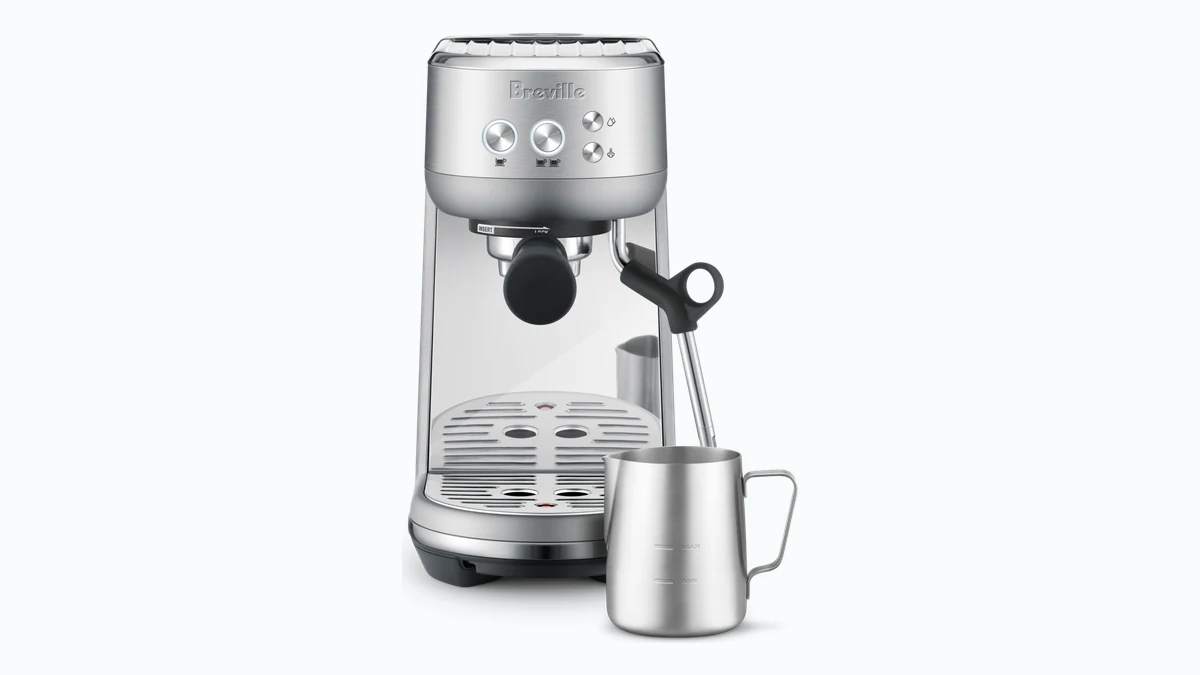
That is why we wrote this. If you bought the Breville Bambino Plus because it fit your kitchen, the grinder you pair it with decides whether it lives up to its ceiling. If you bought the Gaggia Classic Evo Pro because you wanted a machine to grow into, the grinder is where most of the growth comes from.
The shortlist
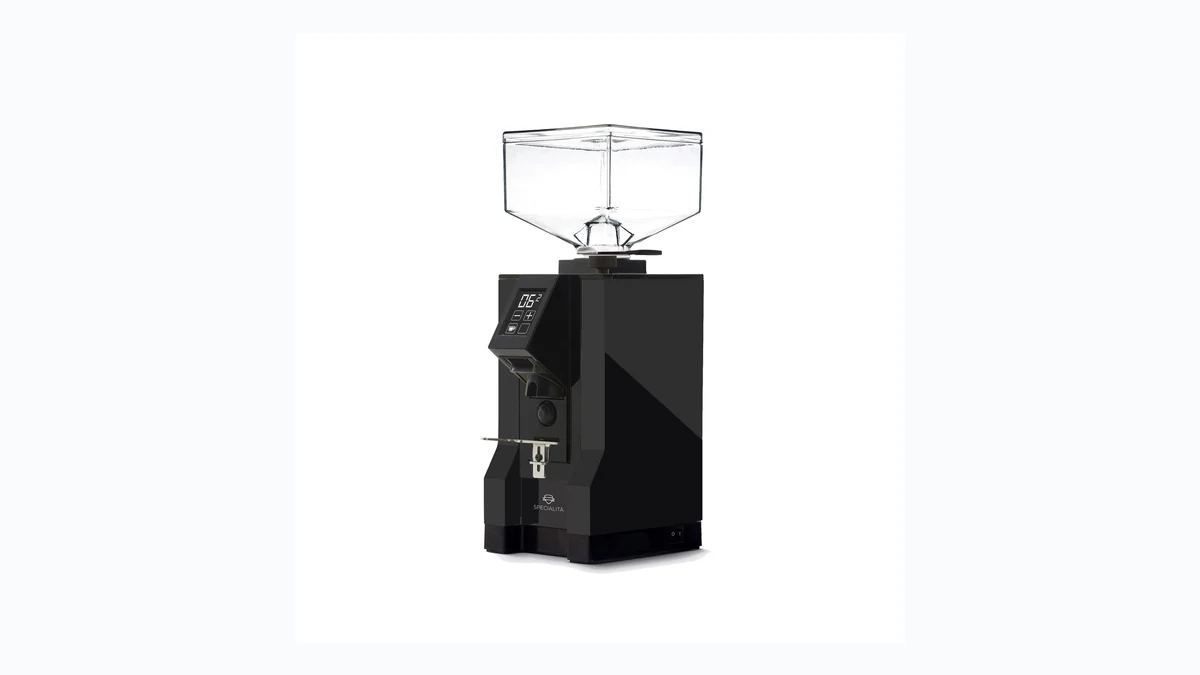
Eureka Mignon Specialita
The workhorse grinder you buy and stop thinking about. 55 mm flat burrs, stepless adjustment, quiet operation, made in Italy. It is the grinder most home espresso drinkers should pick if they can stretch the budget.
Strengths
- 55 mm flat burrs deliver consistent espresso for years
- Stepless adjustment lets you dial in by hair
- Genuinely quiet for a grinder this capable
Tradeoffs
- Heaviest grinder here, real counter footprint
- Stepless adjustment has a learning curve
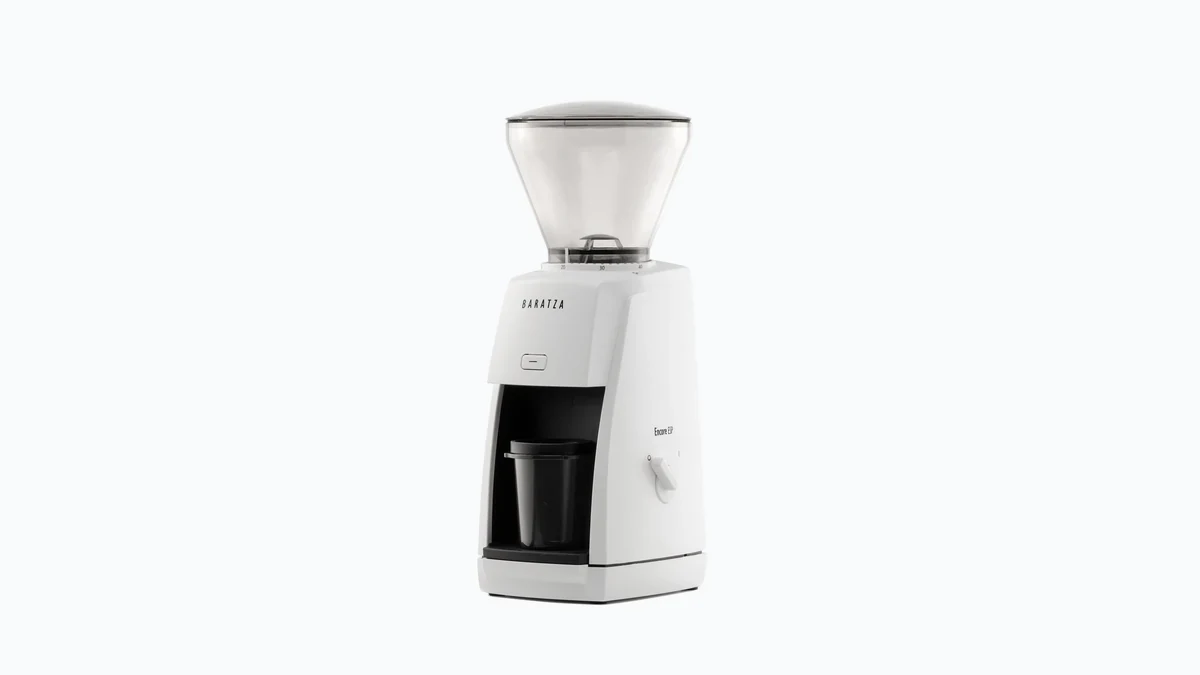
Baratza Encore ESP
The first grinder Baratza ever built that actually pulls espresso. 40 mm burrs, 40 grind settings, easy to clean, US repair support. The right pick for a first espresso grinder and the natural pair for a Breville Bambino Plus.
Strengths
- Best espresso quality at this price
- Baratza support and parts in the US
- Tool-less burr removal for cleaning
Tradeoffs
- Ceiling lower than the Eureka or Sette
- Some grind retention requires a few seconds of dose adjustment
Baratza Sette 270
Straight through grind path, near zero retention, three programmable doses, grinds directly into the portafilter. If you make several drinks a day and want the fastest workflow on this list, this is the pick.
Strengths
- Near zero retention, grinds straight through
- Programmable dose times to a tenth of a second
- Grinds directly into the portafilter, no transfer step
Tradeoffs
- Louder than the Specialita
- Conical burrs, not flat, for slightly different cup character
1Zpresso J-Max
A genuinely espresso capable manual grinder. 48 mm conical burrs, fine adjustment to 8.8 microns per click, foldable handle. Quiet, portable, and good enough for a daily driver if your wrist is willing.
Strengths
- Espresso fine adjustment in a hand grinder
- Silent, no electricity needed
- Travel friendly with carrying case
Tradeoffs
- It is a workout to grind a double shot
- No timed dosing, you grind to a scale
Fellow Opus
The grinder for someone who pulls espresso most mornings and brews pour over on weekends. 41 adjustable settings cover both ranges, the design fits a kitchen, and the price is modest.
Strengths
- True range from espresso to french press
- Striking, intentional industrial design
- Volumetric dosing lid is genuinely useful
Tradeoffs
- Espresso ceiling lower than the dedicated picks
- Some retention requires a small purge
Side by side
| Grinder | Price | Burr | Best for |
|---|---|---|---|
| Eureka Mignon Specialita | $449 | 55 mm flat | Best overall |
| Baratza Encore ESP | $199.95 | 40 mm conical | Best value |
| Baratza Sette 270 | $399 | Conical | Best workflow |
| 1Zpresso J-Max | $179 | 48 mm conical, manual | Quiet, portable |
| Fellow Opus | $199 | 40 mm conical | Espresso + filter |
How we picked
We weighed four things in roughly this order: grind quality at espresso fineness, ease of dialing in for a home user, durability and serviceability, and value at the price. A grinder that produces a slightly better shot but frustrates you every morning is the wrong grinder. So is one that breaks after two years.
Every grinder on this list pulls real espresso. We did not include general burr grinders that can technically reach espresso fineness but were not designed for it. The difference shows in the cup.
The bottom line
For most home espresso drinkers under $500, buy the Eureka Mignon Specialita. It is the grinder we would recommend to a friend. Read the full Eureka Mignon Specialita review before you pay the premium over the budget grinders.
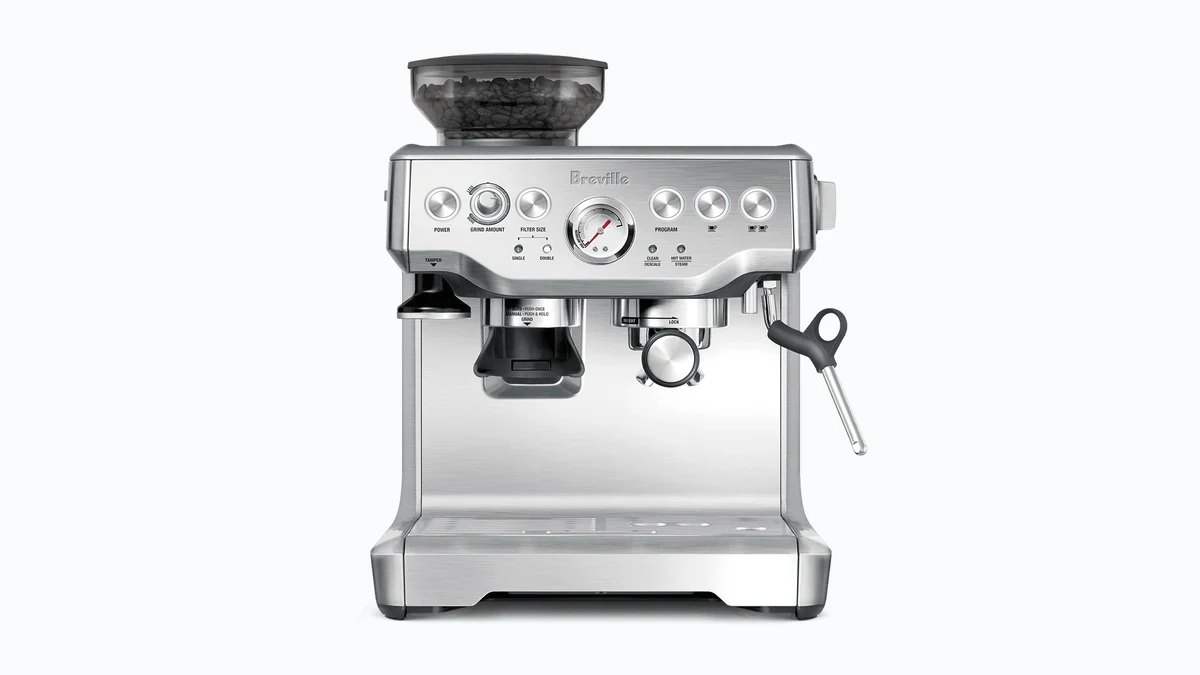
Pick the Baratza Encore ESP if you are on a tighter budget, are buying your first espresso grinder, or want a grinder that pairs naturally with the Breville Bambino Plus to keep the all in cost under the Barista Express. Pick the Baratza Sette 270 if workflow speed matters and you make multiple drinks a day. Pick the 1Zpresso J-Max if you want silent, portable, and willing to put in the wrist work. Pick the Fellow Opus if you split your week between espresso and pour over.
Frequently asked questions
Do I really need a dedicated espresso grinder?
Yes. Drip coffee tolerates a fairly wide grind. Espresso does not. A few microns of difference can mean the difference between a sour shot and a balanced one. A blade grinder will not get you there, and a general burr grinder will leave you frustrated. A dedicated espresso grinder is the highest leverage purchase a home espresso drinker makes.
Which grinder pairs best with the Breville Bambino Plus?
Baratza Encore ESP for most buyers. It hits the price point that keeps the total Bambino Plus plus grinder budget close to the Breville Barista Express all in one, and it is a grinder the Bambino Plus does not outgrow for a long time. Step up to the Eureka Mignon Specialita if you can stretch the budget.
Stepped or stepless adjustment, which is better?
For most home users, stepped is easier. You move from setting 18 to 19 and remember where the sweet spot is. Stepless gives finer control but requires you to recalibrate by taste each time you change beans. The Eureka is stepless, the Baratzas and Fellow are stepped, the 1Zpresso is technically clicked but very finely so.
How long do these grinders last?
The Eureka and the Baratzas are designed to last a decade or more with the burrs replaced once. The Fellow Opus and 1Zpresso are newer designs but use the same quality burr stock. Burrs are wear items, not failure points. Budget around $50 to $120 for a burr replacement every five to seven years of daily use.
Will a $179 hand grinder really pull espresso?
The 1Zpresso J-Max will. It uses the same kind of conical burr geometry that the electric grinders use, with finer adjustment than the Encore ESP. The tradeoff is purely effort. A double shot takes about a minute of grinding by hand. People who like the ritual love it. People who do not, do not.
Is the Sette 270 still worth it given the Encore ESP exists?
Yes if workflow matters to you. The Sette 270 grinds straight into the portafilter with near zero retention and three programmable doses. That is genuinely faster every morning. The Encore ESP is the better value, the Sette 270 is the better daily driver.
What about the Niche Zero or Mahlkonig X54?
Both are excellent and both are outside this guide's budget. The Niche Zero sits around $650 and the X54 around $700 to $800. If your budget stretches there, both are worth it. For most people in the under $500 range, the Eureka Specialita is the smart choice.
Where this fits
This guide is the companion to our best espresso machines under $1,000 roundup, which ranks five machines including the Breville Bambino Plus that needs one of these grinders to do its best work. For the direct head to head between the two Brevilles in that roundup, see Barista Express vs Bambino Plus. For a deeper read on the value grinder pick, go to the full Baratza Encore ESP review. For the flat-burr budget alternative, read the full MiiCoffee DF54 review.