Checklist
Basement Humidity Checklist
Basement dehumidifiers are easy to overbuy and easy to install badly. Use this checklist to decide capacity, drainage, placement, and when a dehumidifier is not the real fix.
Confirm the moisture problem
- Use a separate hygrometer and measure humidity near the dampest area, not beside the dehumidifier outlet.
- Target roughly 45% to 50% relative humidity for most basements.
- Fix standing water, foundation leaks, plumbing leaks, and grading issues before expecting a dehumidifier to solve the room.
Choose drainage first
- Buy a built-in pump model if water must travel upward to a sink, window, or higher drain.
- A gravity-drain model can work if the unit sits close to a floor drain and the hose can slope downward.
- If you will empty the bucket manually, check bucket size, handle design, and shutoff behavior before comparing prices.
Size and place the unit
- Start with a 50-pint class portable unit for damp basements, laundry rooms, and garage-adjacent spaces.
- Give the intake and exhaust room to breathe instead of pushing the unit tight against a wall.
- Plan filter cleaning, hose routing, and winter storage before choosing the cheapest model.
Recommended picks
Recommended picks from this checklist
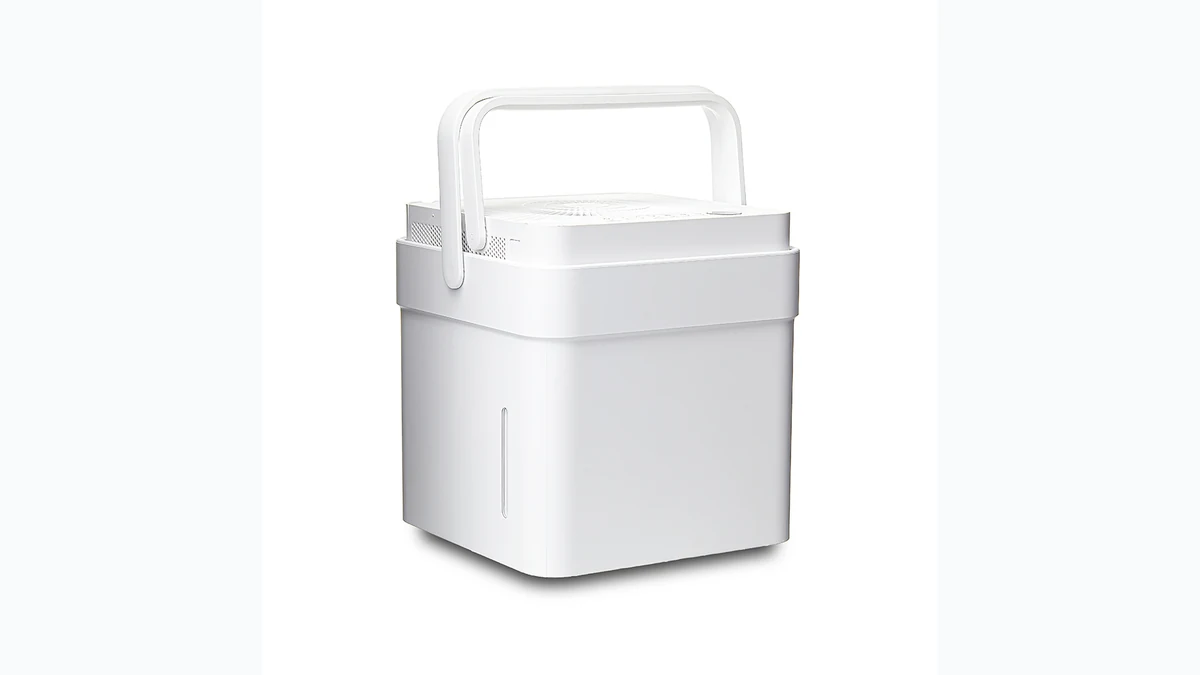 Midea · $280
Midea Cube 50-Pint Dehumidifier with Pump
The safest default pump pick because it combines 50-pint capacity, pump drainage, smart controls, wheels, and Midea's cube format for lower bucket friction.
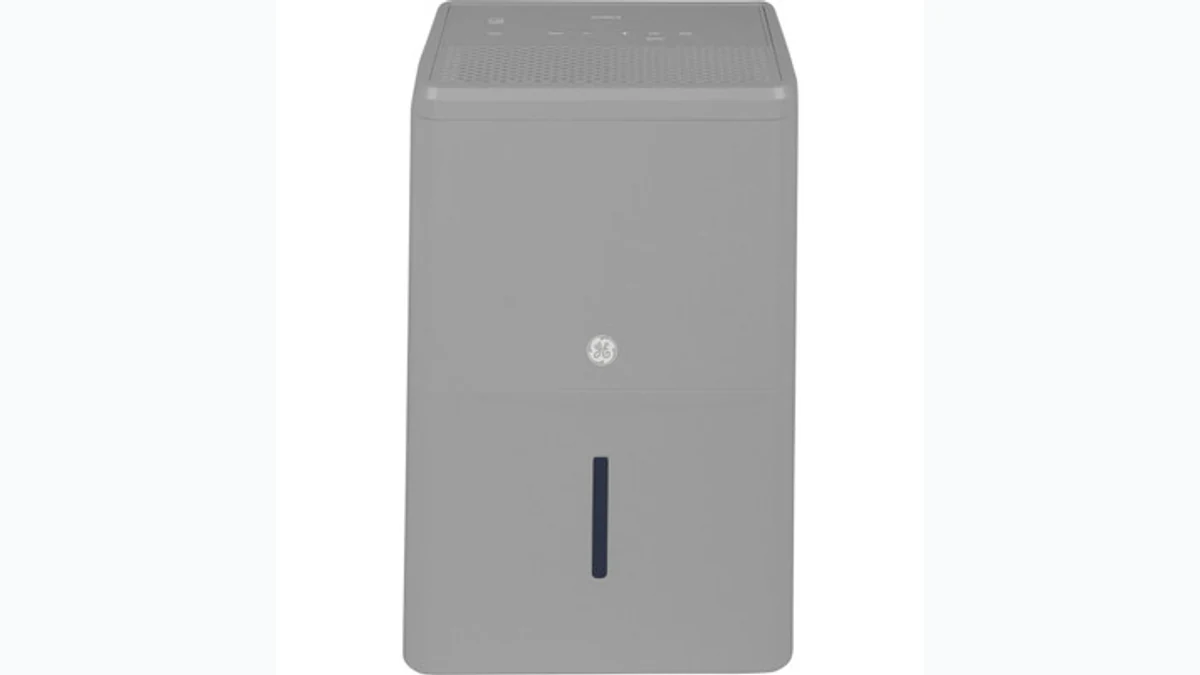 GE · $319
GE APHL50LB 50-Pint Dehumidifier with Pump
The appliance-brand alternative if you want a standard upright design, 50-pint capacity, built-in pump, Smart Dry fan adjustment, auto restart, and easy-roll wheels.
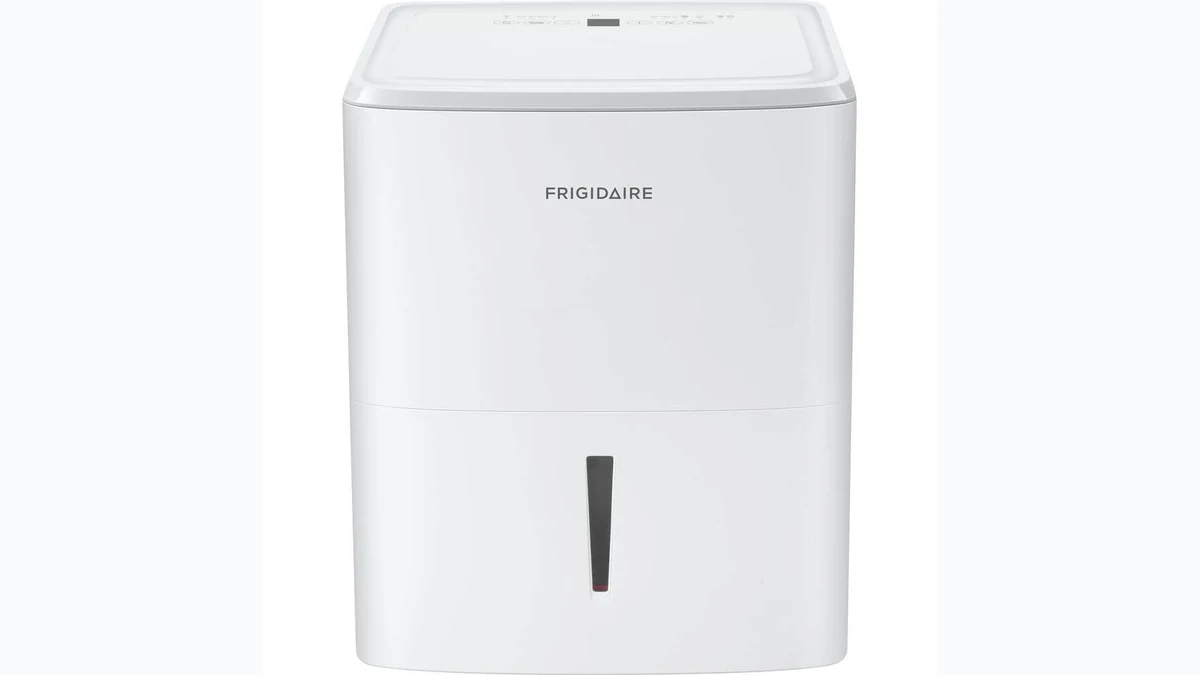 Frigidaire · $279
Frigidaire FHDD5034Y1 50-Pint Dehumidifier
The better choice if you have a floor drain and want a conventional Frigidaire 50-pint smart dehumidifier with continuous drain and broad retail availability.