How we picked
Basement dehumidifier buying is really a drainage decision. Pint capacity matters, but the owner friction is usually the bucket, the drain hose, the pump, and whether the unit restarts cleanly after power loss.
We weighted 50-pint class capacity, built-in pump options, continuous drainage, controls, filter access, restart behavior, and realistic owner friction. We did not rank huge room-coverage claims as proof that one portable unit can solve water intrusion or a whole-house humidity problem.
The shortlist
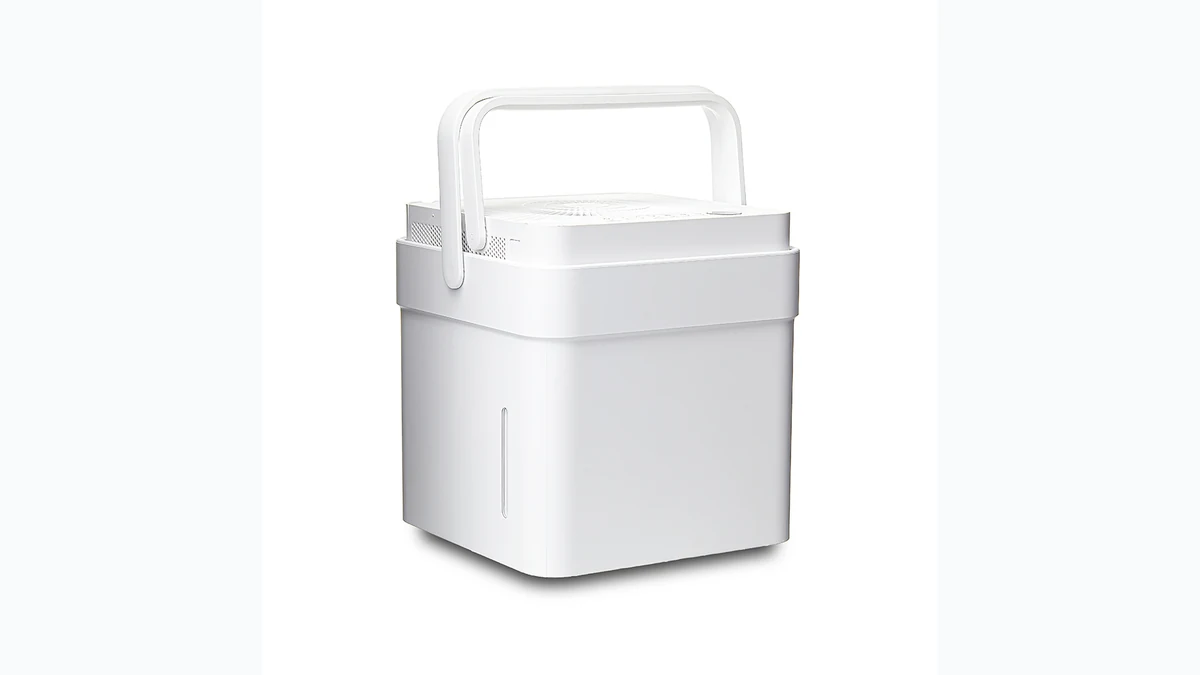
Midea Cube 50-Pint Dehumidifier with Pump
The best default buy for basements because it combines 50-pint capacity, a built-in pump, smart controls, wheels, and Midea's flexible cube design that can run nested or extended.
Strengths
- 50 pints per day and built-in pump
- Smart control and voice assistant support
- Flexible cube design with a larger bucket than many conventional units
Tradeoffs
- Costs more than basic bucket-only models
- Pump setup adds one more thing to verify
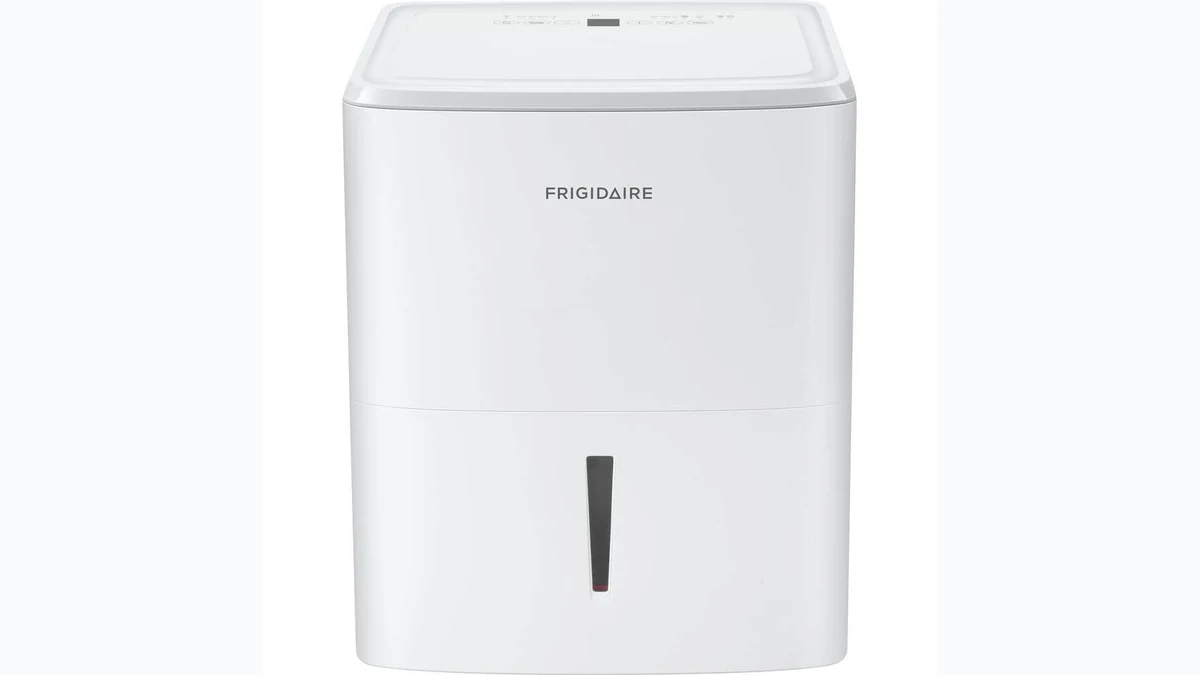
Frigidaire FHDD5034Y1 50-Pint Dehumidifier
A straightforward 50-pint Wi-Fi model for buyers who want Frigidaire, custom humidity control, continuous drain, and easy retail availability without paying for Midea's cube format.
Strengths
- 50-pint class with Wi-Fi controls
- Continuous drain option
- ENERGY STAR certified
Tradeoffs
- No built-in pump on this configuration
- Bucket handling matters if you do not have floor-drain access
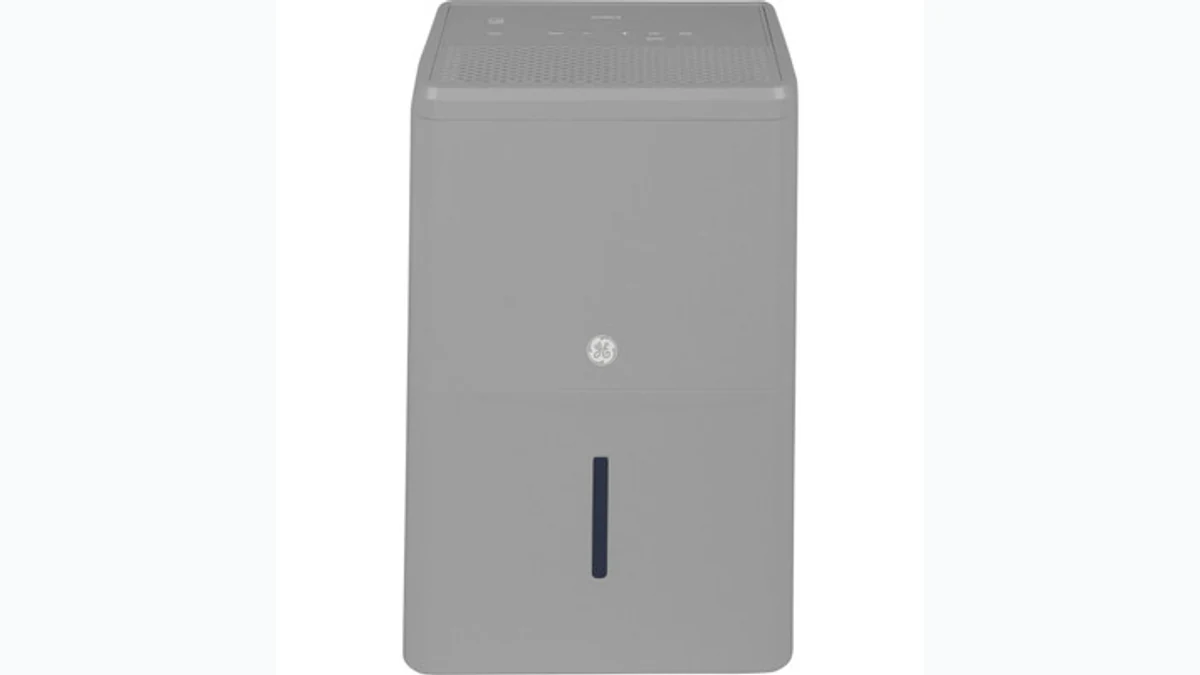
GE APHL50LB 50-Pint Dehumidifier with Pump
The GE pick if you specifically want a conventional 50-pint design with built-in pump, Smart Dry fan adjustment, auto restart, auto defrost, and easy-roll wheels.
Strengths
- 50-pint capacity with built-in pump
- Smart Dry adjusts fan speed based on humidity
- Auto restart and auto defrost
Tradeoffs
- Often pricier than non-pump models
- Conventional bucket footprint
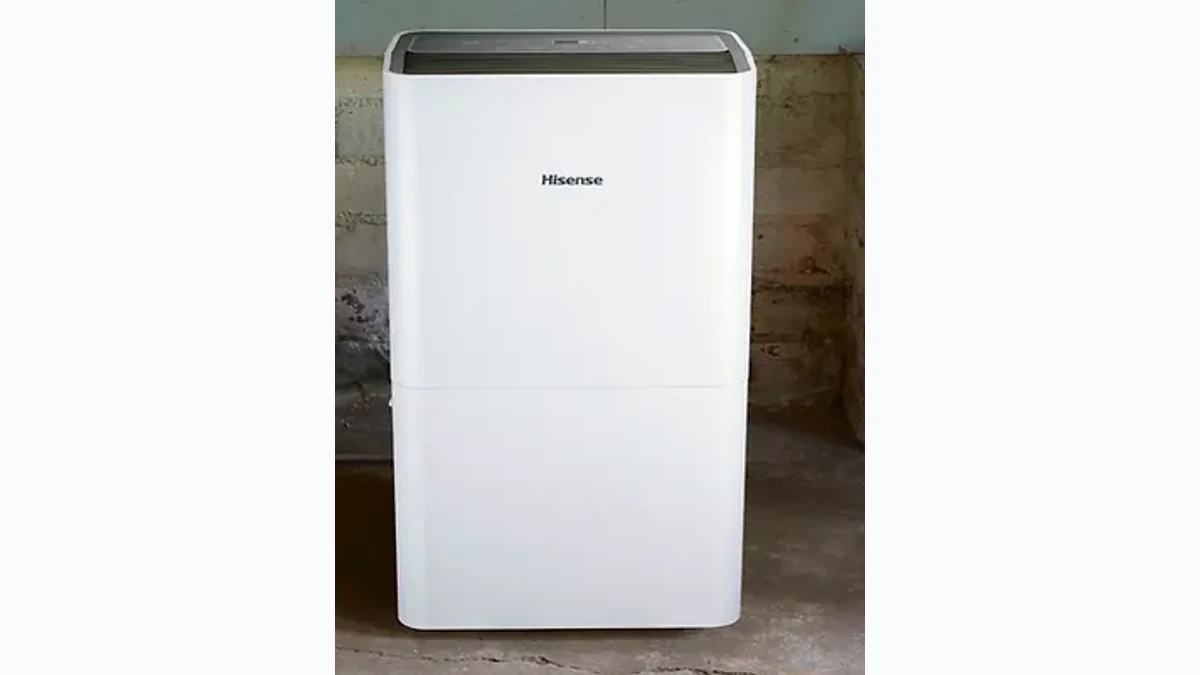
Hisense DH5024K1W 50-Pint Dehumidifier
The value pick when you have a floor drain or can empty a bucket. It is a 50-pint, 4,500 square foot, three-speed dehumidifier with gravity drainage support.
Strengths
- 50-pint class and 4,500 square foot coverage claim
- Three fan speeds
- Good value if no pump is required
Tradeoffs
- No built-in pump
- Less premium owner experience
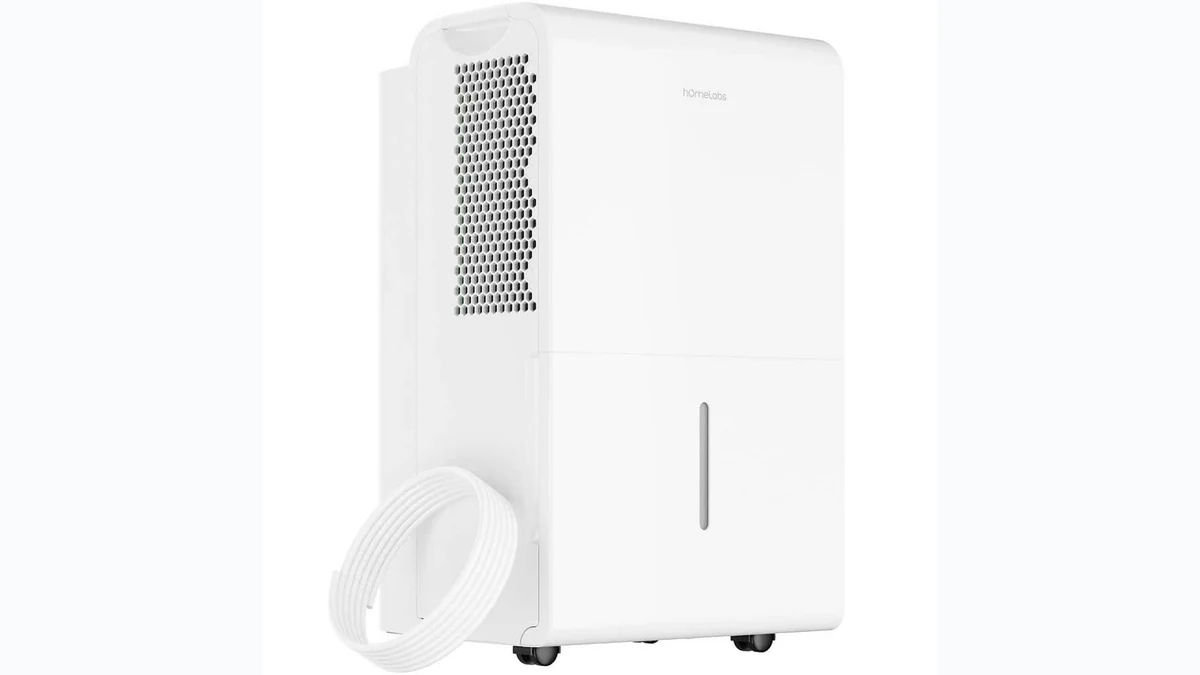
hOmeLabs 50-Pint Wi-Fi Dehumidifier with Pump
A pump-equipped hOmeLabs option with Wi-Fi, washable filter, removable tank, drain hose support, wheels, and a lower direct price than many legacy appliance-brand pump models.
Strengths
- Built-in pump and Wi-Fi controls
- Washable filter and removable tank
- Useful value if you buy direct
Tradeoffs
- Room-size claims need conservative interpretation
- Brand support story is less appliance-store familiar
Side by side
| Dehumidifier | Best for | Drainage | Main tradeoff |
|---|---|---|---|
| Midea Cube 50-Pint with Pump | Most basements | Built-in pump | Higher price |
| Frigidaire FHDD5034Y1 | Familiar brand buyers | Gravity drain | No pump |
| GE APHL50LB | Pump-first buyers | Built-in pump | Conventional design |
| Hisense DH5024K1W | Value buyers | Gravity drain | No pump |
| hOmeLabs 50-Pint with Pump | Direct pump value | Built-in pump | Support familiarity |
The drainage rule
If the dehumidifier sits near a floor drain, a gravity-drain model can be enough. If it has to drain into a sink, out a basement window, or up to a higher line, buy a built-in pump or plan on a separate condensate pump. Do not assume every 50-pint dehumidifier has a pump.
Which basement dehumidifier should you buy?
Buy Midea Cube if the basement is damp, the drain path is uncertain, or you want the easiest default recommendation. Its built-in pump makes it the safest one-click choice for finished basements, laundry rooms, and owners who do not want to babysit a bucket. Read the full review: Midea Cube 50-Pint Dehumidifier with Pump Review.
Buy GE APHL50LB if you specifically want a pump but prefer a traditional appliance layout over Midea’s cube format. It is the right second pick for buyers comparing pump models at big-box retailers. Read the full review: GE APHL50LB 50-Pint Dehumidifier with Pump Review.
Buy Frigidaire FHDD5034Y1 if you already have a reliable floor drain and want a familiar brand, Wi-Fi controls, and wide retail availability. Buy Hisense DH5024K1W only when value matters more than pump convenience. Buy hOmeLabs when the direct-brand pump price is clearly lower than the GE or Midea alternatives.
For pump-only shopping, use Best Dehumidifiers with Pump. For head-to-head decisions, read Midea Cube vs GE 50-Pint Dehumidifier with Pump and Midea Cube vs Frigidaire 50-Pint Dehumidifier.
Basement dehumidifier mistakes to avoid
Do not buy only by square-foot claims. Basements vary by seepage, temperature, laundry load, air sealing, and whether the space is finished. A 50-pint unit can manage humidity, but it cannot fix standing water, foundation leaks, plumbing leaks, or exterior grading issues.
Do not skip the drain-path decision. A bucket-only unit in a very damp basement creates daily friction, and a gravity-drain unit needs a drain that is lower than the outlet. If the water needs to move up, buy a pump model from the start.
Do not run without maintenance access. Leave room to remove the bucket, clean the filter, and route the hose without kinks. Before buying, walk through the setup with our Basement Humidity Checklist.
Source checks
We checked current manufacturer and program references for the core claims on May 28, 2026, including Midea’s Cube 50-pint pump model, Frigidaire’s FHDD5034Y1 listing, GE’s APHL50LB product page, hOmeLabs’ 50-pint Wi-Fi pump retail listing, Hisense retail availability, and ENERGY STAR dehumidifier guidance.
- Midea Cube 50-Pint Dehumidifier with Pump
- Frigidaire FHDD5034Y1
- GE APHL50LB 50-Pint Dehumidifier with Pump
- hOmeLabs 50-Pint Wi-Fi Dehumidifier with Pump
- Hisense 50-pint dehumidifier retail availability
- ENERGY STAR Dehumidifiers
The bottom line
Buy the Midea Cube 50-Pint Dehumidifier with Pump for the best all-around basement setup. Buy the Frigidaire FHDD5034Y1 if you want a familiar smart model and do not need a pump. Buy the GE APHL50LB if you want a conventional appliance-brand pump unit. Buy the Hisense DH5024K1W only if value matters and gravity drainage is available.
For the direct brand decision, read Midea Cube vs Frigidaire 50-Pint Dehumidifier.
Frequently asked questions
What size dehumidifier do I need for a basement?
Most damp basements should start with a 50-pint class portable dehumidifier. Smaller units can work in small, mildly damp rooms, but a wet basement usually needs more capacity and continuous drainage.
Do I need a built-in pump?
You need a pump if the dehumidifier must send water up to a sink, window, or higher drain. If you have a nearby floor drain, gravity drainage may be enough.
Is a dehumidifier enough for water intrusion?
No. A dehumidifier manages humidity after moisture is in the air. It does not fix foundation leaks, grading problems, plumbing leaks, or standing water.
What humidity should I set in a basement?
A common target is around 45% to 50% relative humidity. Lower settings use more energy and can make the machine run constantly.