How we picked
Pump dehumidifiers are bought because gravity drainage is inconvenient. That means pump reliability, hose routing, restart behavior, bucket handling, and filter access matter more than inflated room-size claims.
We prioritized 50-pint class models with built-in pumps, useful retailer availability, sane owner friction, restart behavior, and clear drainage tradeoffs. We did not treat a pump as a fix for standing water or active leaks.
The shortlist
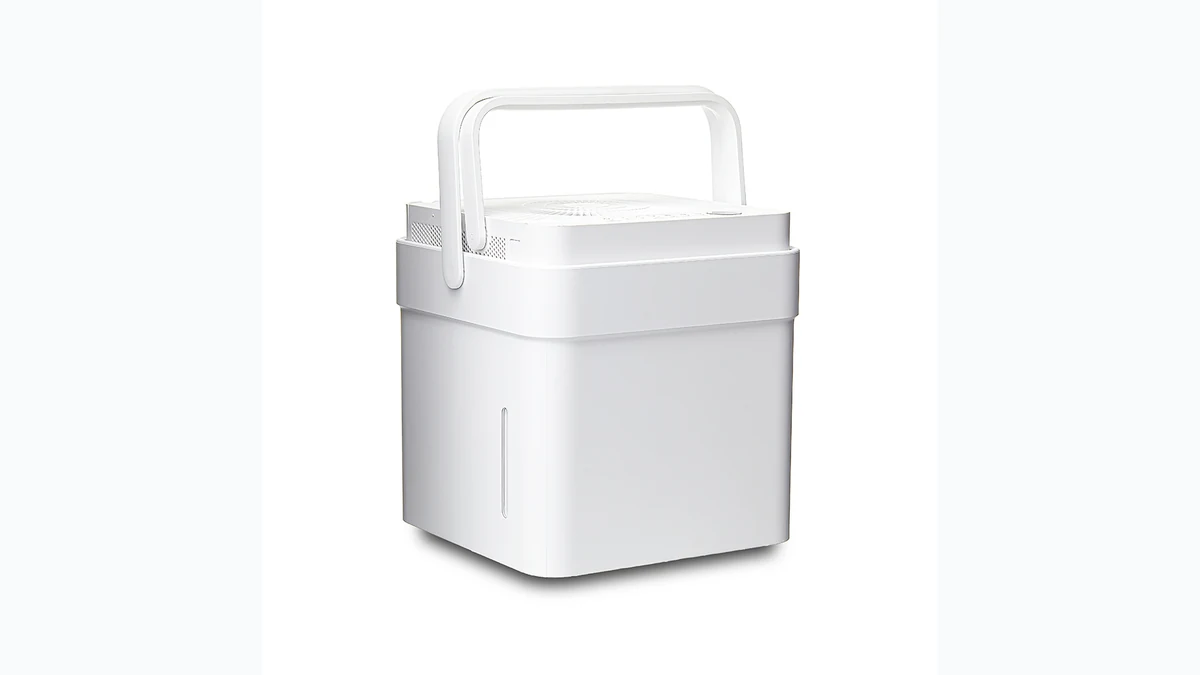
Midea Cube 50-Pint Dehumidifier with Pump
The safest default pump pick because it combines 50-pint capacity, pump drainage, smart controls, wheels, and Midea's cube format for lower bucket friction.
Strengths
- Built-in pump and 50-pint class capacity
- Smart controls and flexible bucket setup
- Good fit when drainage location is uncertain
Tradeoffs
- Costs more than basic gravity-drain models
- Pump and app setup add complexity
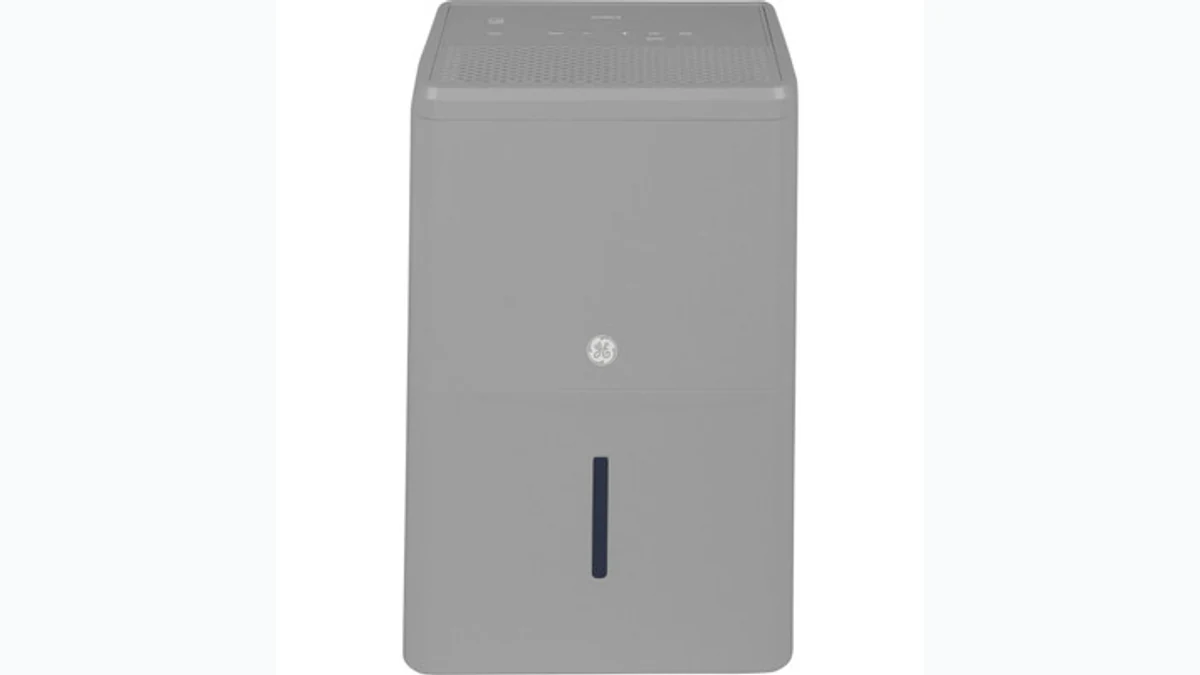
GE APHL50LB 50-Pint Dehumidifier with Pump
The appliance-brand alternative if you want a standard upright design, 50-pint capacity, built-in pump, Smart Dry fan adjustment, auto restart, and easy-roll wheels.
Strengths
- Built-in pump with conventional appliance layout
- Smart Dry adjusts fan speed by humidity
- Auto restart and auto defrost
Tradeoffs
- Bucket is smaller than Midea's cube-style design
- Usually not the cheapest pump option
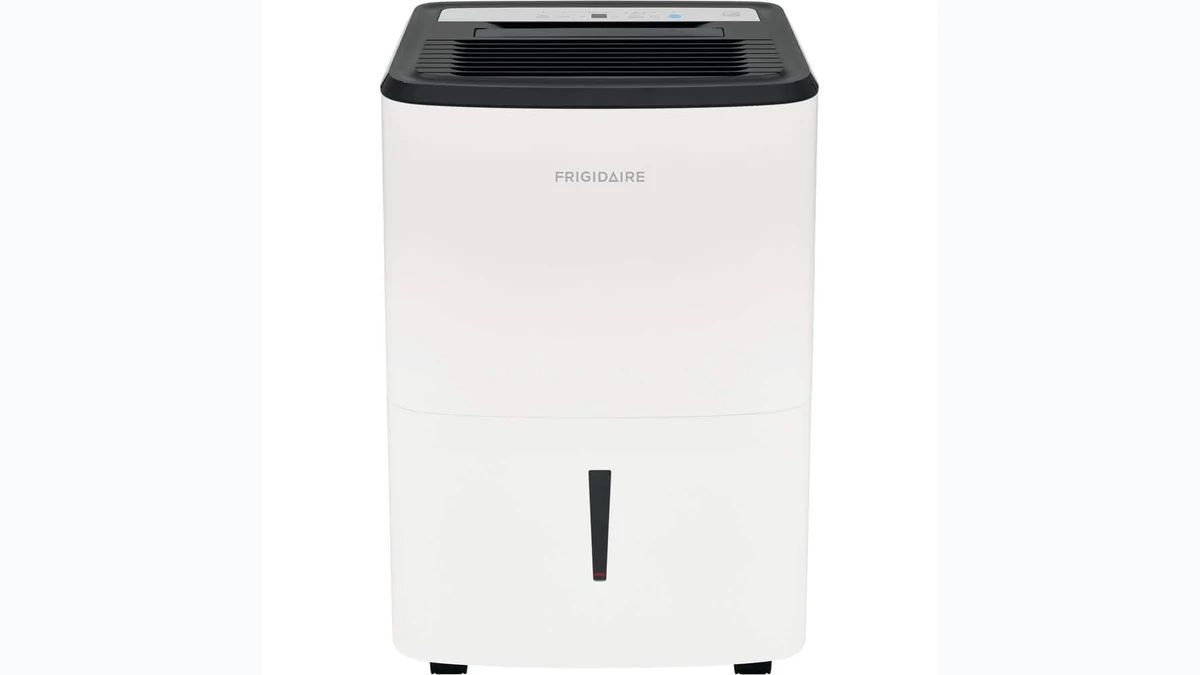
Frigidaire FFAP5033W1 50-Pint Dehumidifier with Pump
The Frigidaire pump route for buyers who want a familiar appliance brand, custom humidity control, washable filter, and broad retail availability.
Strengths
- Built-in pump
- Familiar appliance brand
- Easy washable filter
Tradeoffs
- Older product family than some smart models
- Retail availability can vary by store
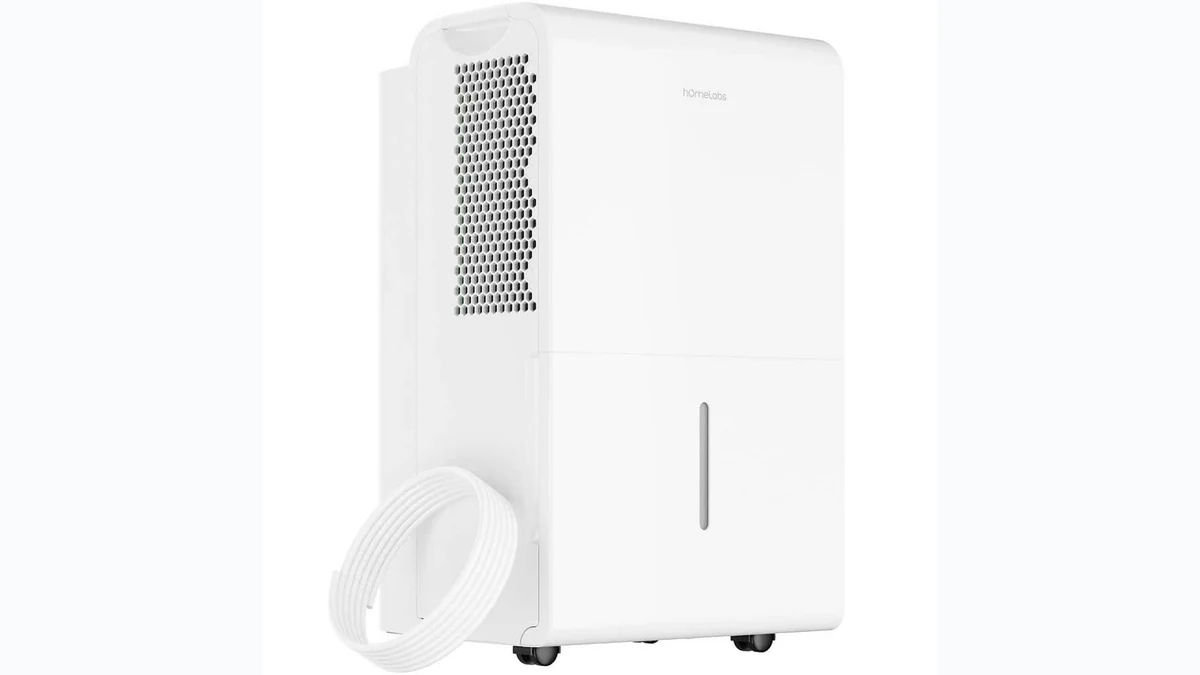
hOmeLabs 50-Pint Wi-Fi Dehumidifier with Pump
A pump-equipped hOmeLabs option for shoppers who want Wi-Fi, a washable filter, drain hose support, wheels, and a lower price than some legacy appliance-brand pump units.
Strengths
- Built-in pump and Wi-Fi controls
- Washable filter and removable tank
- Good price-to-feature story
Tradeoffs
- Brand support story is less familiar
- Room-size claims need conservative interpretation
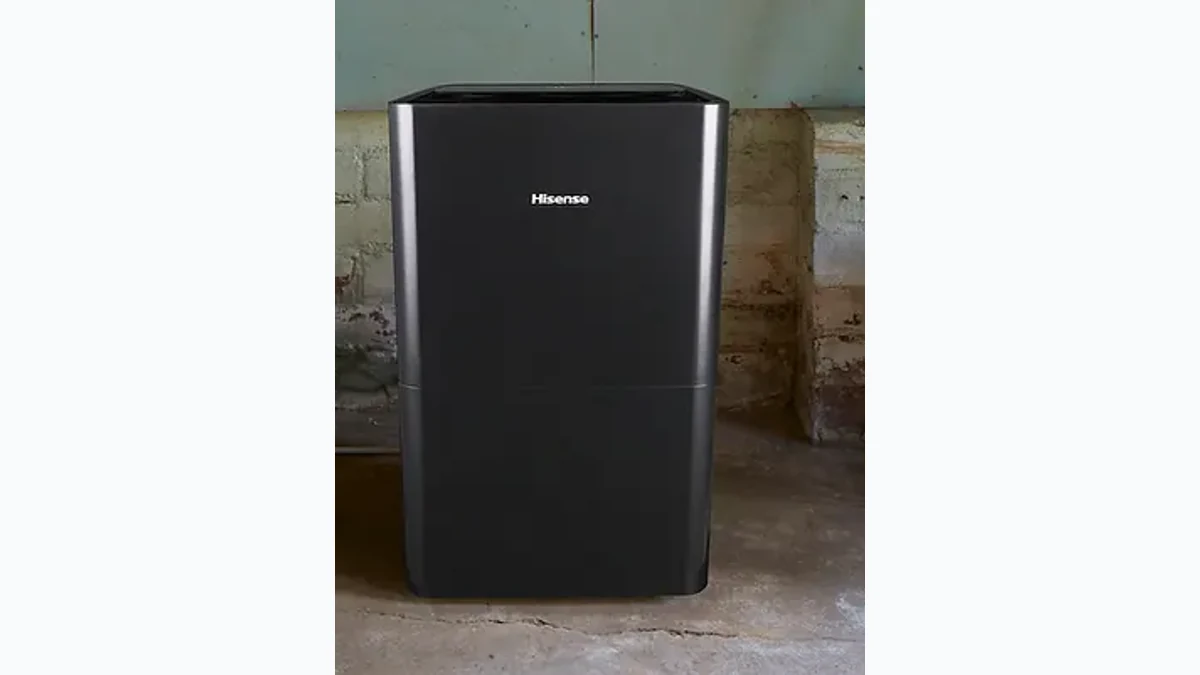
Hisense DH5024KP1G 50-Pint Dehumidifier with Pump
A budget-oriented 50-pint pump model to consider when sale pricing is aggressive, especially if you want an included quick-connect pump hose and a two-year warranty claim.
Strengths
- Built-in pump configuration
- Often value-priced
- Useful if you find it in stock locally
Tradeoffs
- Official product routing is less stable
- Check exact model number before buying
Side by side
| Dehumidifier | Best for | Pump story | Main tradeoff |
|---|---|---|---|
| Midea Cube 50-Pint | Most basements | Built-in pump plus cube bucket | Setup complexity |
| GE APHL50LB | Conventional appliance layout | Built-in pump and Smart Dry | Smaller bucket |
| Frigidaire FFAP5033W1 | Familiar brand buyers | Built-in pump | Availability varies |
| hOmeLabs 50-Pint Wi-Fi | Value shoppers | Built-in pump and Wi-Fi | Support familiarity |
| Hisense DH5024KP1G | Sale hunters | Built-in pump model | Verify model number |
Pump vs gravity drain
Buy a pump model when water needs to go up. Buy a gravity-drain model when water can flow down. That single rule prevents most bad basement dehumidifier purchases.
If you have a floor drain beside the unit, a non-pump model can be the cleaner value. If the hose needs to reach a sink, window, utility drain, or elevated outlet, pay for the built-in pump.
Which pump dehumidifier should you buy?
Buy Midea Cube if the drain path is uncertain or the basement owner does not want bucket chores. The pump makes it flexible, while the cube bucket gives it a more forgiving owner experience than many upright models. Read the full review: Midea Cube 50-Pint Dehumidifier with Pump Review.
Buy GE APHL50LB if you want a familiar upright appliance design with a built-in pump, Smart Dry fan control, auto restart, and easy-roll wheels. It is the cleanest alternative for shoppers who do not want Midea’s cube layout. Read the full review: GE APHL50LB 50-Pint Dehumidifier with Pump Review.
Buy Frigidaire FFAP5033W1 if brand familiarity and retail support are the priority. Buy hOmeLabs if the direct price is meaningfully lower than Midea or GE. Use Hisense DH5024KP1G as a sale-hunting option, but verify the exact model because Hisense pump and non-pump listings can look similar in retail search results.
For broader basement shopping, read Cleaning Tech Buying Guides. For the tightest two-product pump decision, read Midea Cube vs GE 50-Pint Dehumidifier with Pump. If you are choosing between pump convenience and a no-pump Frigidaire, read Midea Cube vs Frigidaire 50-Pint Dehumidifier.
Pump dehumidifier mistakes to avoid
Do not assume every 50-pint dehumidifier has a pump. Many similar models share the same capacity, finish, and retailer pages, but only specific configurations include pump drainage. Match the exact model number before buying.
Do not ignore pump lift and hose routing. A built-in pump is useful only if the hose can reach the drain without kinks, pinch points, or a path someone will trip over. Keep the route short and test the pump before leaving the unit unattended.
Do not buy a pump model to solve active water problems. A dehumidifier can lower humidity after moisture enters the room, but standing water, foundation leaks, plumbing leaks, and exterior drainage problems need to be fixed at the source. Use our Basement Humidity Checklist before buying.
Source checks
We checked current manufacturer, retailer, and efficiency references for the pump-specific claims on May 28, 2026, including Midea’s Cube pump model, GE’s APHL50LB pump page, Frigidaire’s FFAP5033W1 Home Depot listing, hOmeLabs’ 50-pint Wi-Fi pump listing, Hisense pump retail availability, and ENERGY STAR dehumidifier guidance.
- Midea Cube 50-Pint Dehumidifier with Pump
- GE APHL50LB 50-Pint Dehumidifier with Pump
- Frigidaire FFAP5033W1 50-Pint Dehumidifier with Pump
- hOmeLabs 50-Pint Wi-Fi Dehumidifier with Pump
- Hisense 50-pint dehumidifier with pump retail availability
- ENERGY STAR Dehumidifiers
The bottom line
Buy Midea Cube for most pump-drain basements. Buy GE APHL50LB if you want a conventional form factor from a legacy appliance brand. Buy Frigidaire FFAP5033W1 if Frigidaire support and retail availability are the deciding factors.
For the broader basement list, read Cleaning Tech Buying Guides. For the tight pump decision, read Midea Cube vs GE 50-Pint Dehumidifier with Pump. For individual review depth, read Midea Cube 50-Pint Dehumidifier with Pump Review and GE APHL50LB 50-Pint Dehumidifier with Pump Review.
Frequently asked questions
Do I really need a dehumidifier with a pump?
You need a built-in pump if the unit must send water upward to a sink, window, laundry drain, or other higher outlet. If you have a nearby floor drain and the hose can slope downward, gravity drainage may be enough.
Is a built-in pump better than a separate condensate pump?
A built-in pump is simpler for most buyers because the hose and controls are integrated. A separate condensate pump can work, but it adds another device, outlet, hose path, and failure point.
How high can a dehumidifier pump drain?
It depends on the model. Many consumer models advertise pump lift around 16 feet, but you should verify the exact manual and keep the hose path as simple as possible.
Can I still use the bucket on a pump dehumidifier?
Usually yes. Pump models typically still have a bucket, but the entire point is to avoid bucket emptying when continuous pump drainage is set up correctly.