The decision
This is not a raw capacity fight. Both are 50-pint class pump dehumidifiers. The better question is how you want the unit to live in the basement, how often you want to touch the bucket, and how cleanly the drain hose can reach its outlet.
The Midea Cube is the more flexible, lower-friction choice if you care about bucket handling, app control, and placement options. The GE APHL50LB is the simpler mental model: conventional upright dehumidifier, built-in pump, wheels, auto restart, and Smart Dry fan adjustment.
Quick picks
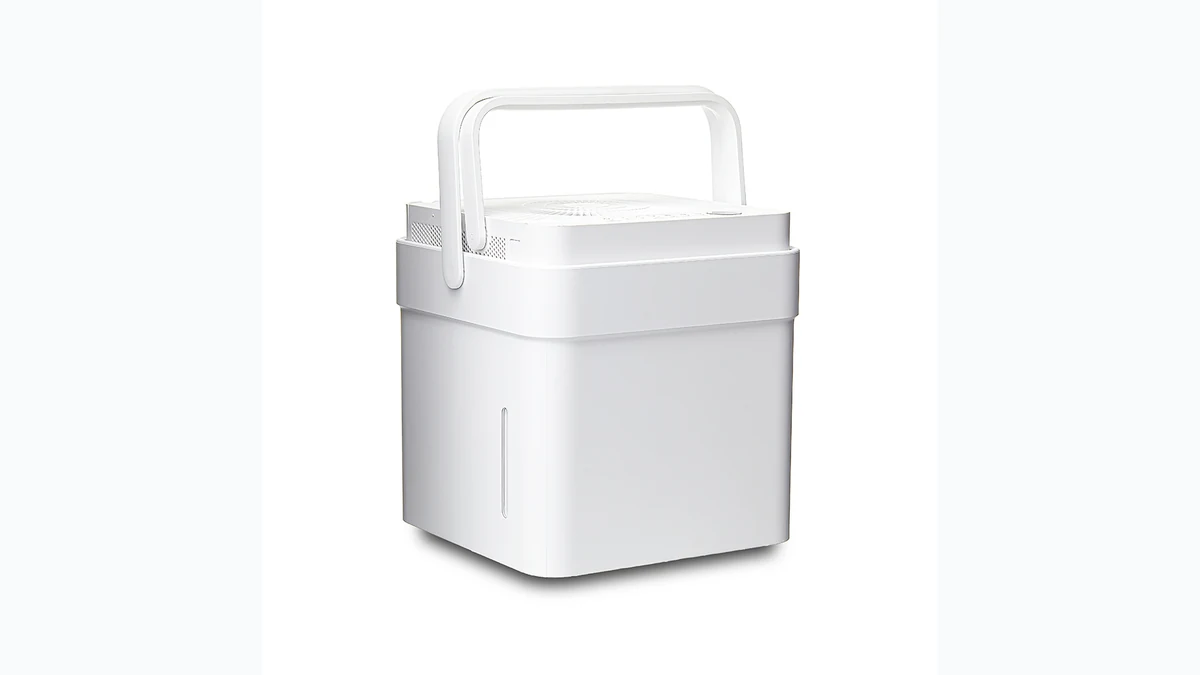
Midea Cube 50-Pint Dehumidifier with Pump
The better pick if bucket friction and placement flexibility matter. It has a built-in pump, smart controls, wheels, and a cube design that can run nested or extended.
Strengths
- Built-in pump
- Cube format reduces bucket friction
- Smart controls
Tradeoffs
- More complex setup
- Less conventional footprint
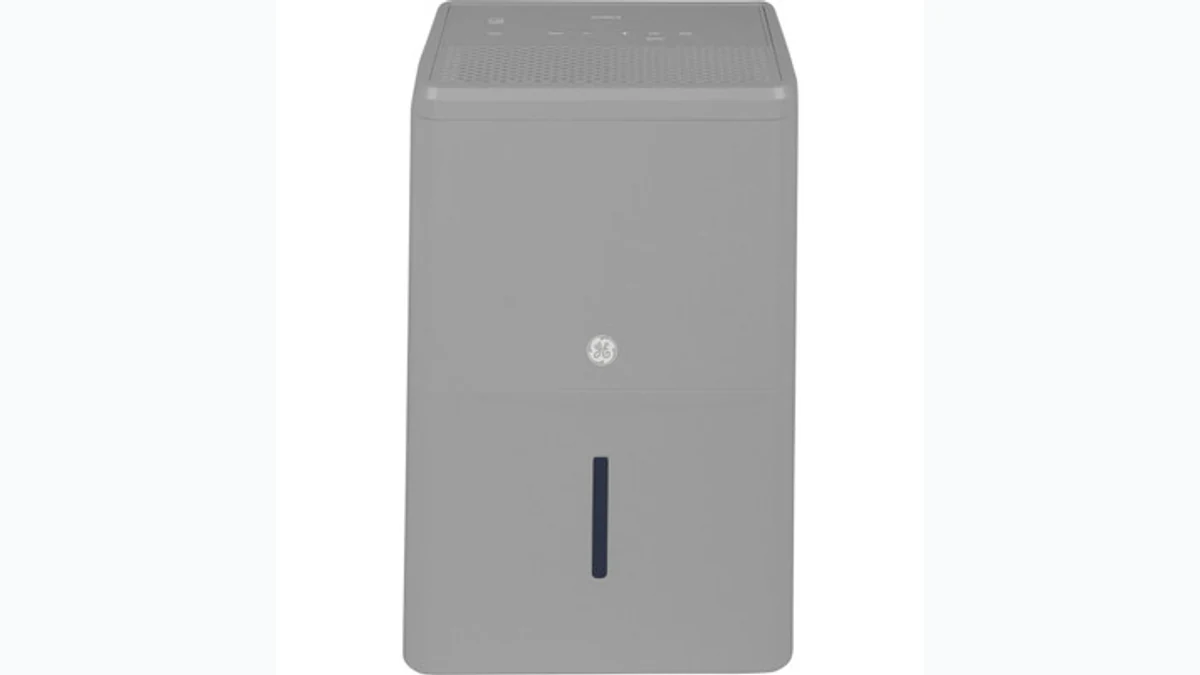
GE APHL50LB 50-Pint Dehumidifier with Pump
The better choice if you want a familiar upright form factor with built-in pump, Smart Dry fan adjustment, auto restart, auto defrost, and easy-roll wheels.
Strengths
- Built-in pump
- Conventional upright design
- Smart Dry fan adjustment
Tradeoffs
- Smaller bucket than the Midea cube concept
- Usually costs more than basic pump models
Side by side
| Feature | Midea Cube 50-Pint | GE APHL50LB |
|---|---|---|
| Best for | Flexible basement placement | Conventional appliance layout |
| Capacity class | 50 pints per day | 50 pints per day |
| Built-in pump | Yes | Yes |
| Smart controls | Yes | Smart Dry fan logic |
| Bucket story | Cube format with larger bucket concept | Traditional front bucket |
| Main tradeoff | More setup complexity | Less flexible bucket design |
Which one should you buy?
Buy Midea Cube if the drain path is awkward or if you want more flexibility than a standard upright unit. It is the stronger default for a basement where the dehumidifier may move around, where the bucket would be annoying to empty, or where the buyer has not finalized the drain route yet. Read the full review: Midea Cube 50-Pint Dehumidifier with Pump Review.
Buy GE APHL50LB if you want a familiar appliance layout and do not need Midea’s cube-style bucket system. It is the cleaner buy when you already know exactly where the unit will sit and drain, and when a standard upright footprint is easier to place. Read the full review: GE APHL50LB 50-Pint Dehumidifier with Pump Review.
Setup mistakes to avoid
Do not buy either unit until you know where the water goes. A built-in pump helps only if the hose can reach the sink, utility drain, window, or standpipe without kinks or a trip hazard.
Do not compare only the advertised pint rating. For basement ownership, the practical difference is bucket handling, pump setup, filter access, restart behavior, and whether the unit can sit where airflow is not blocked.
Do not use either model as a fix for active leaks or standing water. A dehumidifier manages humidity after moisture is in the room. It does not repair grading, foundation, plumbing, or seepage problems.
Source checks
We checked current manufacturer and buyer-guide references on May 28, 2026, including Midea’s Cube pump model, GE’s APHL50LB product page, the GadgetGlow individual reviews, and the dehumidifier category guides that route into this comparison.
- Midea Cube 50-Pint Dehumidifier with Pump
- GE APHL50LB 50-Pint Dehumidifier with Pump
- Midea Cube Review
- GE APHL50LB Review
- Best Dehumidifiers with Pump
- Cleaning Tech Buying Guides
- Basement Humidity Checklist
For the full pump shortlist, read Best Dehumidifiers with Pump.
Frequently asked questions
Is Midea Cube better than GE APHL50LB?
Midea Cube is better if you want flexible placement, smart controls, and lower bucket friction. GE APHL50LB is better if you prefer a conventional upright appliance with built-in pump drainage.
Do both have built-in pumps?
Yes. Both are 50-pint class dehumidifiers with built-in pump configurations.
Which is better for a basement sink drain?
Either can work if the hose path and lift height fit the manual. Midea is the more flexible pick; GE is the more conventional appliance-style pick.