What beginners should actually pay for
Do not buy a sous vide because it promises restaurant food. Buy one because it removes overcooking from proteins you already cook. The features that matter early are simple setup, a readable temperature display, reliable clamp, app guidance, and enough power for the pot you actually use.
Beginner picks
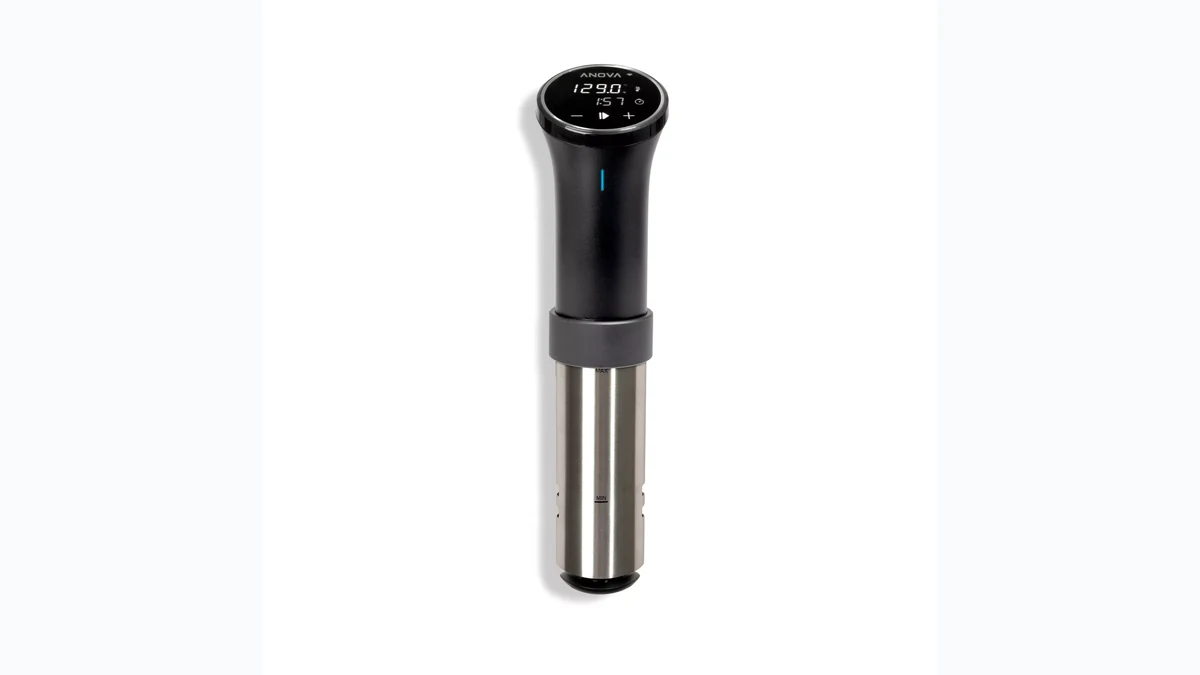
Anova Precision Cooker 3.0
The safest first serious sous vide because it gives you physical controls, Wi-Fi, the best long-term recipe ecosystem, and enough power for family-size containers.
Strengths
- Physical controls plus app control
- 1100W power is enough for bigger home cooks
- Best long-term sous vide ecosystem
Tradeoffs
- Costs more than a casual first experiment
- New Anova app users face subscription friction
- Not as compact as the Nano or Joule
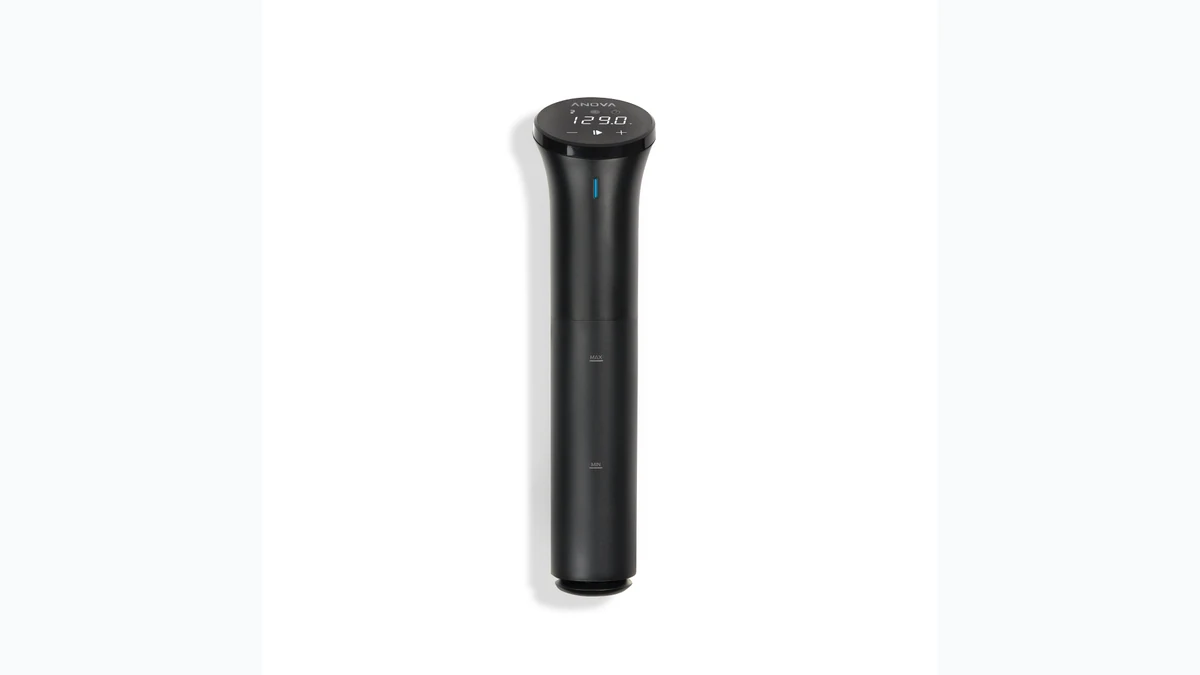
Anova Precision Cooker Nano 3.0
The beginner pick when storage and price matter more than speed. It keeps the Anova app and precision, but drops to an 850W body that is better for smaller pots.
Strengths
- Lower price than the full-size Anova
- Compact body stores easily
- Same Anova app
Tradeoffs
- Slower for larger water baths
- Less headroom for batch cooking
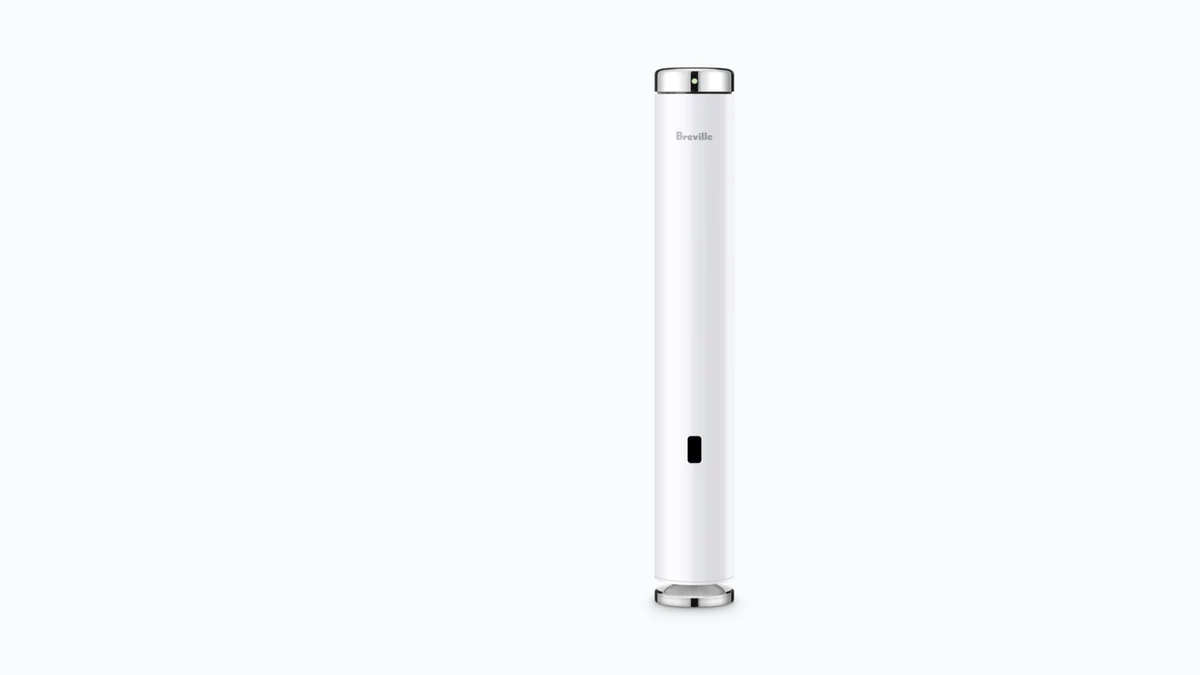
Breville Joule Turbo
The friendliest app-first sous vide for new cooks who want visual doneness guidance and faster supported Turbo recipes. Skip it if you hate app-only appliances.
Strengths
- Best guided cooking interface
- Turbo mode for supported recipes
- Compact, drawer-friendly design
Tradeoffs
- No physical controls
- Less appealing if you cook without your phone
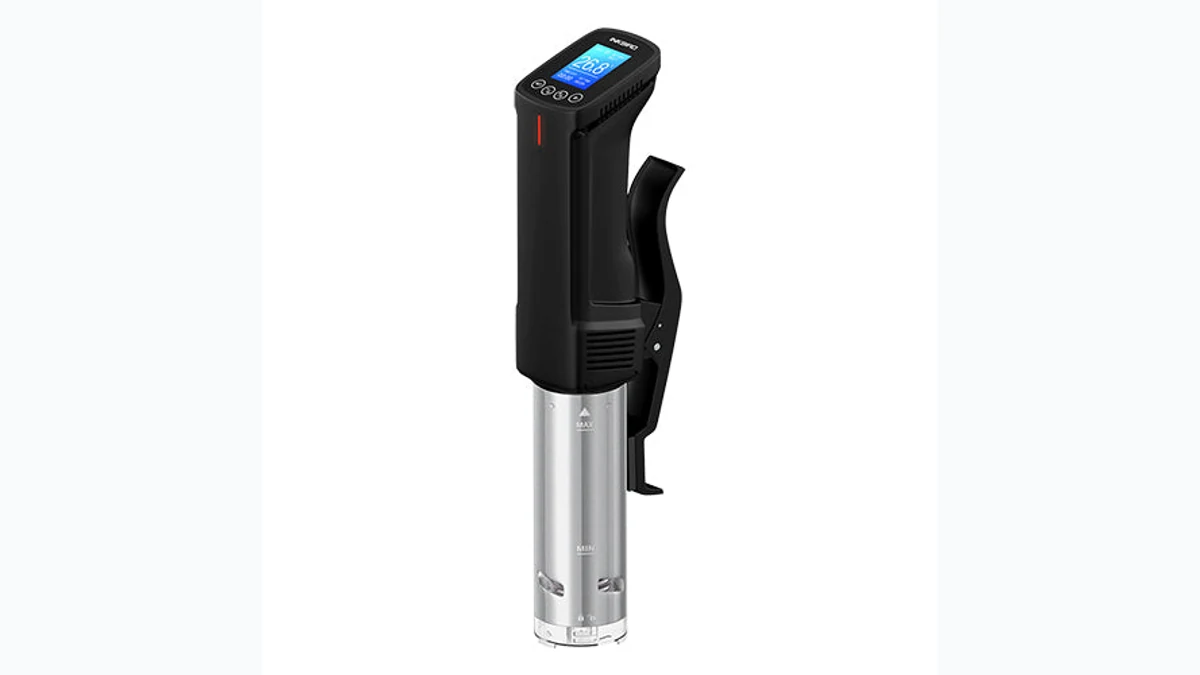
Inkbird ISV-100W
The budget buy if you are not sure sous vide will become a routine. It has Wi-Fi, 1000W heating, and enough precision for first steaks, chicken, and eggs.
Strengths
- Lowest real entry price
- 1000W heating
- Wi-Fi and on-device controls
Tradeoffs
- App is less polished
- Plastic-heavy build
Beginner comparison
| Cooker | Controls | Power | Best beginner reason | Watchout |
|---|---|---|---|---|
| Anova Precision Cooker 3.0 | Device + app | 1100W | Best all-around starter | Costs more |
| Anova Nano 3.0 | Device + app | 850W | Small kitchens | Slower for big baths |
| Breville Joule Turbo | App only | 1100W | Best guided cooking | No buttons |
| Inkbird ISV-100W | Device + app | 1000W | Cheapest real try | Weaker app |
The bottom line
If sous vide is going to become part of your week, start with Anova 3.0. If you are sous-vide curious and budget sensitive, start with Inkbird. If your kitchen is small, start with Nano. If you want the app to coach the whole cook, start with Joule Turbo.
Read the full Anova Precision Cooker Nano 3.0 review if you are choosing the small-kitchen beginner pick.
Read the full Breville Joule Turbo review if you want the app to coach the whole cook.
Read the full Inkbird ISV-100W review if you want the cheapest serious first try.
Frequently asked questions
What should a beginner cook first with sous vide?
Start with chicken breast, pork tenderloin, salmon, or steak. These foods show the value quickly because they are easy to overcook with traditional methods.
Do beginners need a vacuum sealer?
No. Freezer bags and the water-displacement method are enough to start. Buy a vacuum sealer later if you batch prep or freeze portions.
Is sous vide worth it for one person?
Yes if you meal prep or cook proteins regularly. For one-person kitchens, the Anova Nano is easier to store and powerful enough for smaller containers.