The verdict
The Inkbird ISV-100W is the practical budget answer. It is not the most refined sous vide stick, not the best app, and not the one we would pick for someone who already knows they will batch cook every week. Its job is lowering the barrier to entry without dropping into disposable unknown-brand gear.
Inkbird positions the ISV-100W as a Wi-Fi sous vide cooker with app control, preset menus, low-noise operation, and a low-water alarm. The product title calls out 1000W heating, which is the important baseline. That is enough for normal beginner cooks in 8- to 12-quart stock pots: chicken breast, steak, pork tenderloin, salmon, eggs, and meal-prep proteins.
The reason not to buy it is polish. Anova has the better ecosystem and device story. Breville has the better guided cooking experience. Inkbird wins when price is the point and you want to see whether sous vide actually becomes part of your kitchen routine.
Scorecard
| Decision point | Inkbird ISV-100W result | Operator read |
|---|---|---|
| Best use | First sous vide, budget experiments, basic proteins | The cheap-entry pick |
| Power | 1000W | Enough for normal beginner pots |
| Controls | Device plus Wi-Fi app presets | Functional, less polished than Anova or Breville |
| Safety friction | Low-water alarm positioning | Useful for long beginner cooks |
| Value | $99 target street price | Buy cheap; step up if discounts narrow |
Best price path
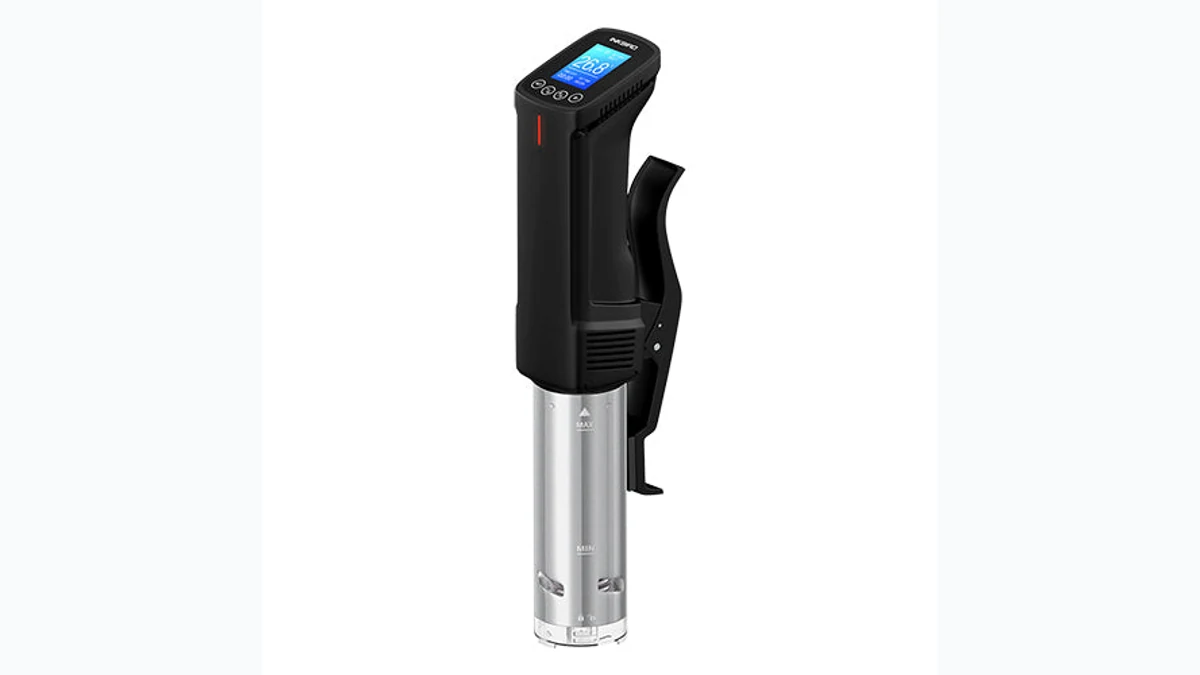
Inkbird ISV-100W
The Inkbird ISV-100W is the budget sous vide circulator for cooks who want Wi-Fi, 1000W heating, app presets, low-noise operation, and a low-water alarm without paying Anova or Breville money.
Strengths
- Low entry price for a Wi-Fi sous vide circulator
- 1000W heating is enough for normal beginner pots
- App presets and low-water alarm reduce first-cook friction
Tradeoffs
- App and finish are not as polished as Anova or Breville
- Less confidence for long-term weekly use
- Not the upgrade pick for large batch cooks
Buy it if
Buy the Inkbird ISV-100W if you are sous-vide curious and want the lowest serious entry price. It is the right first machine for someone who wants to try chicken breast, steaks, eggs, and meal-prep proteins before spending more on a premium circulator.
It also makes sense as a secondary cooker. If you already have a main sous vide stick and occasionally want a second bath for vegetables, eggs, or different temperatures, Inkbird is cheap enough to justify.
Skip it if
Skip it if you care about app polish, long-term ecosystem depth, or premium device feel. The Inkbird can do the cooking job, but Anova and Breville are better products to live with if sous vide becomes weekly infrastructure.
Also skip it if the price rises too close to Anova Nano 3.0 sale pricing. Once the gap narrows, the Nano’s ecosystem and ownership story are worth the extra spend.
Inkbird ISV-100W vs Anova Nano 3.0
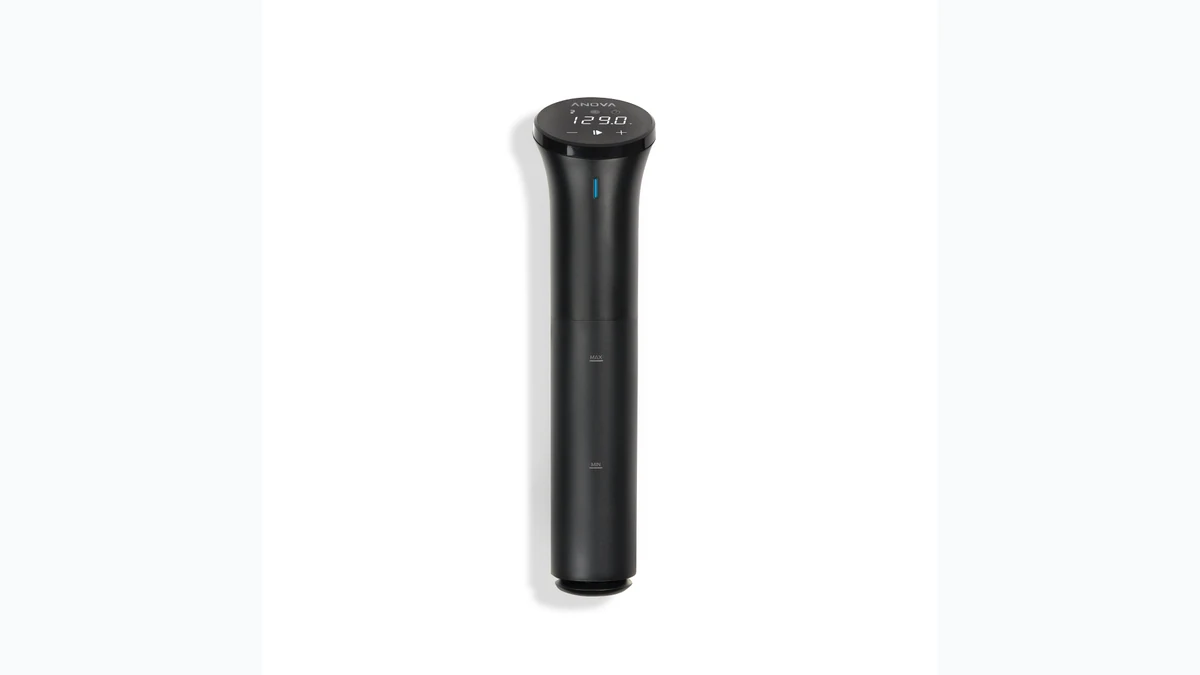
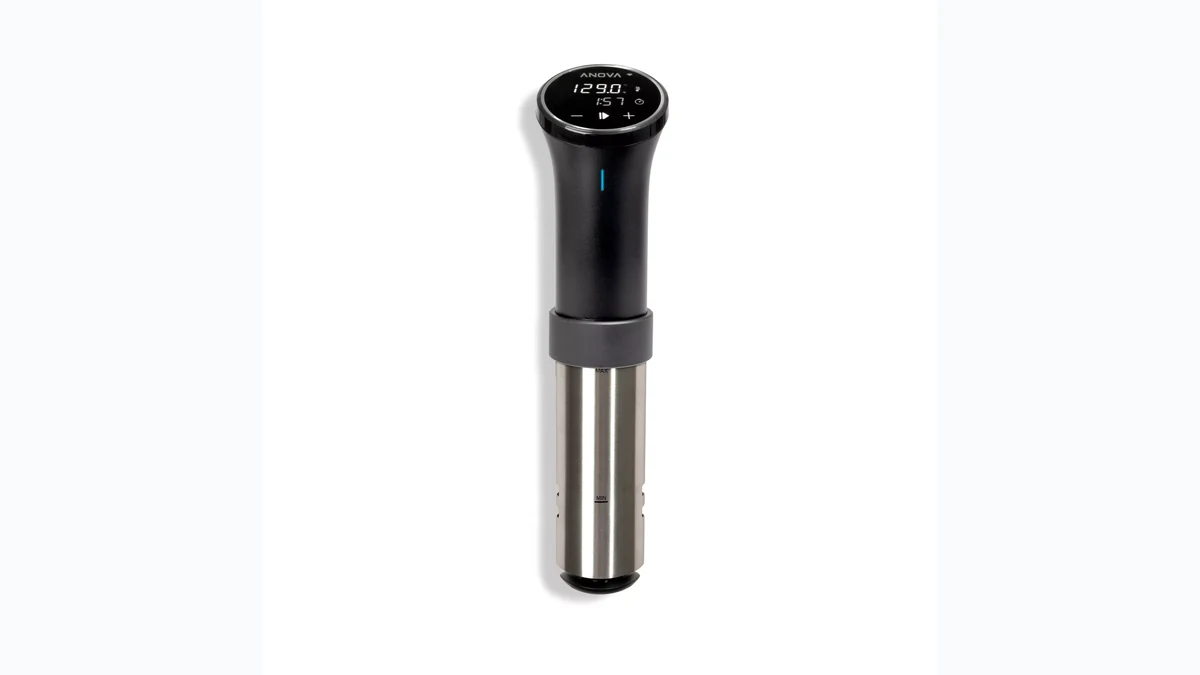
Inkbird is the cheaper experiment. Anova Nano 3.0 is the better long-term small kitchen pick. The Nano has a more trusted ecosystem, better brand support, and a cleaner upgrade path if you start using sous vide regularly.
Read the full Anova Precision Cooker Nano 3.0 review if you are deciding whether the extra money is worth it.
Inkbird ISV-100W vs Breville Joule Turbo
Joule Turbo is the opposite strategy. It costs more because it is selling a premium guided app, Visual Doneness, Turbo recipes, and a polished beginner experience. Inkbird is for buyers who want to learn by spending less.
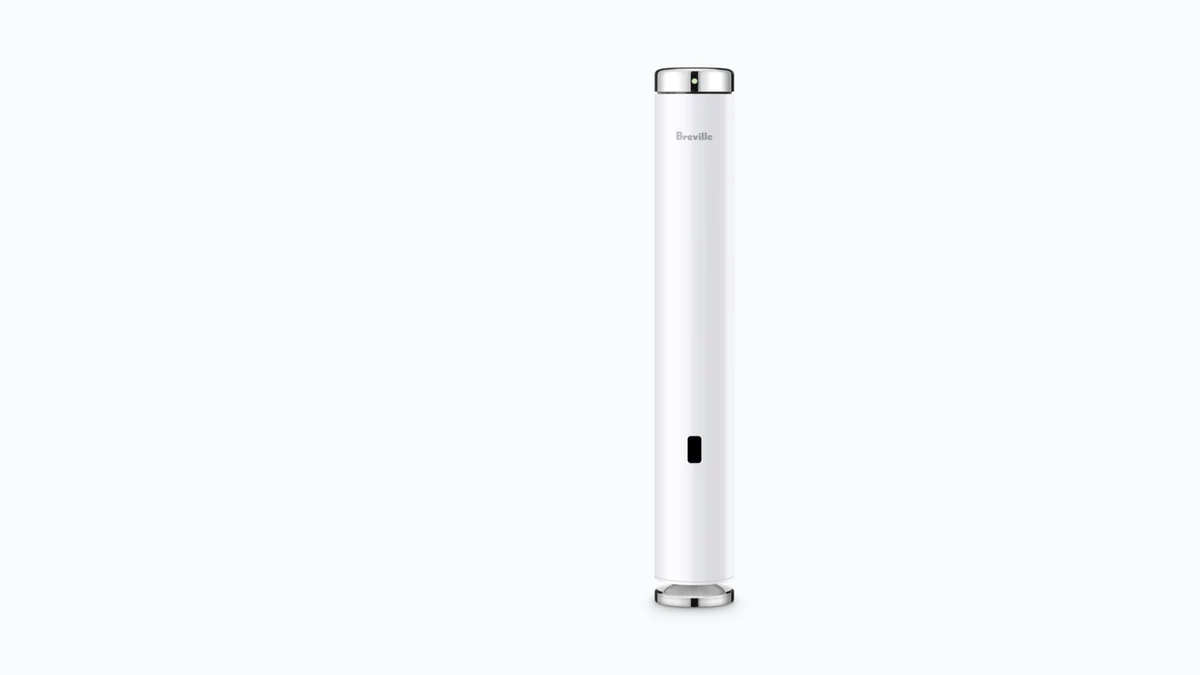
Read the full Breville Joule Turbo review if guided cooking matters more than price.
Related buying paths
- Overall ranking: best sous vide machines.
- Beginner ranking: best sous vide machine for beginners.
- Compact upgrade: Anova Precision Cooker Nano 3.0 review.
- Smart kitchen setup checklist: smart kitchen buying checklist.
Testing Notes
Our recommendation is based on Inkbird’s current product positioning, the ISV-100W role inside the GadgetGlow sous-vide cluster, and the commercial reality that many first-time sous-vide buyers are not ready for a $149-$249 machine. We treat it as a starter pick, not a premium replacement.
Price discipline
Treat $99 as the target. Inkbird’s direct-store metadata can sit higher than that, so Amazon sale pricing is usually the buy path. If the ISV-100W is within $30 to $40 of Anova Nano 3.0, buy the Nano unless the lower upfront spend is the whole point.
Bottom line
The Inkbird ISV-100W is the cheap sous vide starter to buy when you want to try the method without overcommitting. It gives beginners enough power and app support to learn the technique, then leaves room to upgrade later if sous vide becomes a weekly habit.
Frequently asked questions
Is the Inkbird ISV-100W worth it in 2026?
Yes if you want the cheapest serious sous vide starter and are not sure the method will become a habit. It is not the premium pick, but it is a better first experiment than unknown sub-$80 circulators.
Does the Inkbird ISV-100W have Wi-Fi?
Yes. Inkbird positions the ISV-100W as a Wi-Fi sous vide cooker with app control and preset menus. The app is useful, but it is not as polished as Anova or Breville.
Should I buy Inkbird ISV-100W or Anova Nano 3.0?
Buy Inkbird if price matters most and you are testing whether sous vide fits your routine. Buy Anova Nano 3.0 if you already know you want a better ecosystem, stronger brand support, and cleaner ownership.
Is Inkbird ISV-100W good for beginners?
Yes for first steaks, chicken, pork tenderloin, salmon, eggs, and basic meal prep. Beginners should step up only if they already know they want premium app guidance or a more polished device.