The verdict
The Diletta Mio sits in a useful middle lane. Basic single boilers make you brew, wait, steam, and cool down. Full dual boilers cost much more. The Mio splits the difference with a PID-controlled 400 mL brass brew boiler and a separate steam thermoblock, so it is more comfortable for cappuccino and latte households without becoming a large prosumer machine.
Diletta lists the Mio with PID brew temperature control, a shot-timer display, 58 mm group components and portafilter, a 2 L reservoir, 1600 W power, stainless case, brass boiler, 3-inch cup clearance, solenoid valve, cup warmer, no-burn steam wand, brew pressure gauge, adjustable OPV, and 7-minute warm-up time.
The buying line is direct: buy the Mio when milk workflow matters more than the lowest possible machine spend. Buy Profitec GO when espresso control and value matter more. Buy Breville when convenience matters more.
Scorecard
| Decision point | Diletta Mio result | Operator read |
|---|---|---|
| Best use | Compact milk-drink setup | Better for cappuccinos than basic single boilers |
| Brew system | PID-controlled 400 mL brass boiler | Good temperature discipline |
| Steam | Separate thermoblock circuit | More practical milk workflow |
| Platform | 58 mm group and portafilter | Standard accessories are easy |
| Price | $1,409 typical street price | Close to the top of the bracket |
Best price path
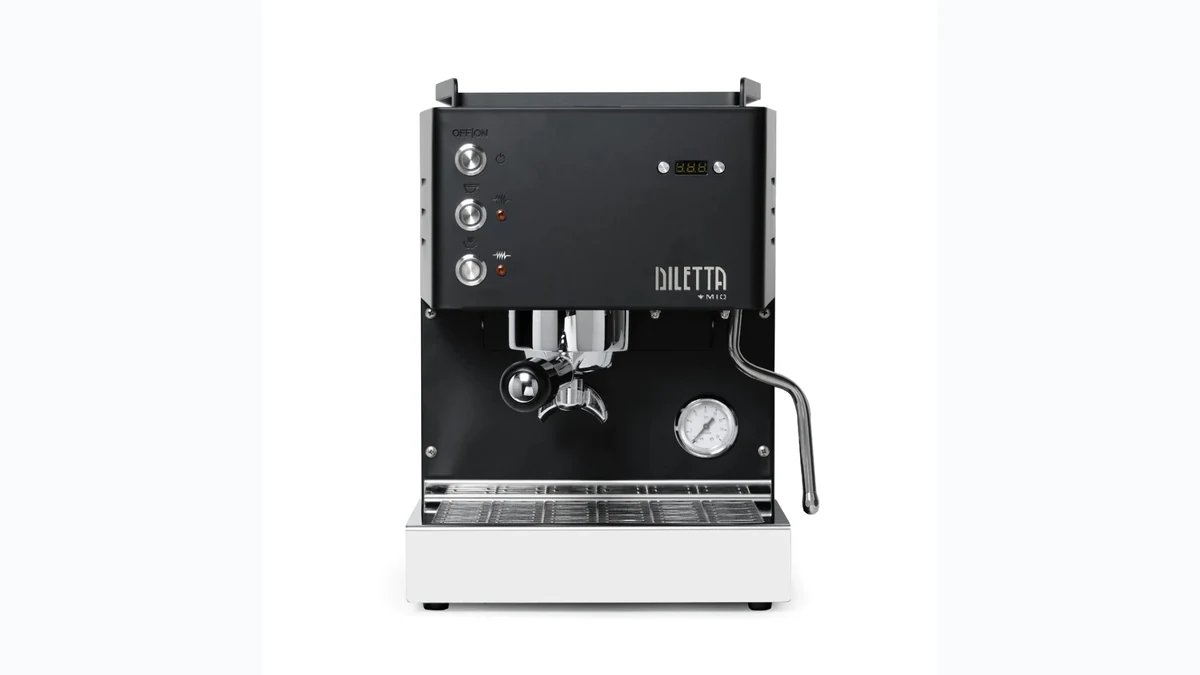
Diletta Mio
The Diletta Mio is the compact machine to buy when you want more milk-drink flexibility than a basic single boiler without stepping up to a full dual boiler. It pairs PID brew control with a separate steam thermoblock and a standard 58 mm platform.
Strengths
- PID-controlled 400 mL brass brew boiler
- Separate steam thermoblock improves milk workflow
- 58 mm portafilter, pressure gauge, and adjustable OPV
Tradeoffs
- Costs more than Profitec GO and Rancilio Silvia
- No preinfusion on the published spec sheet
- Still requires a separate grinder
Buy it if
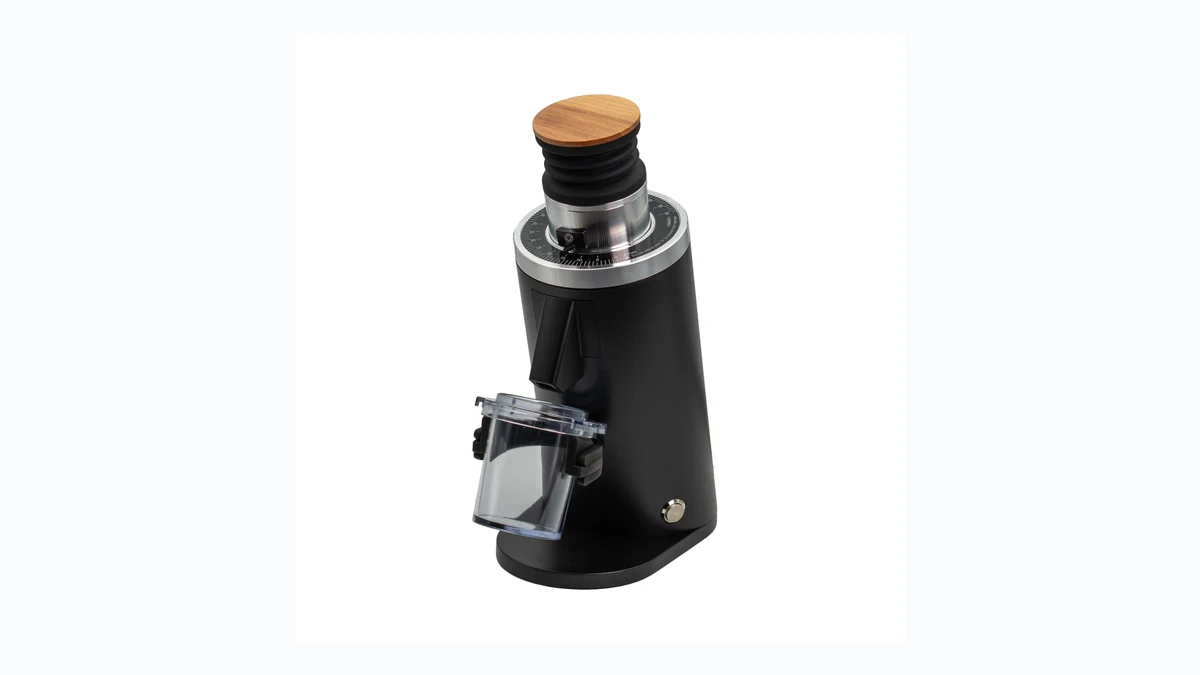
Buy the Diletta Mio if you mostly make milk drinks and want a machine that feels more purpose-built than entry-level single boilers. It makes sense with a grinder like the Eureka Mignon Specialita, MiiCoffee DF54, or Baratza Encore ESP.
It is also a clean fit if counter space matters. The footprint is compact for this price tier, but the machine still gives you pressure visibility, a standard 58 mm workflow, and a more serious ownership feel than an appliance machine.
Skip it if
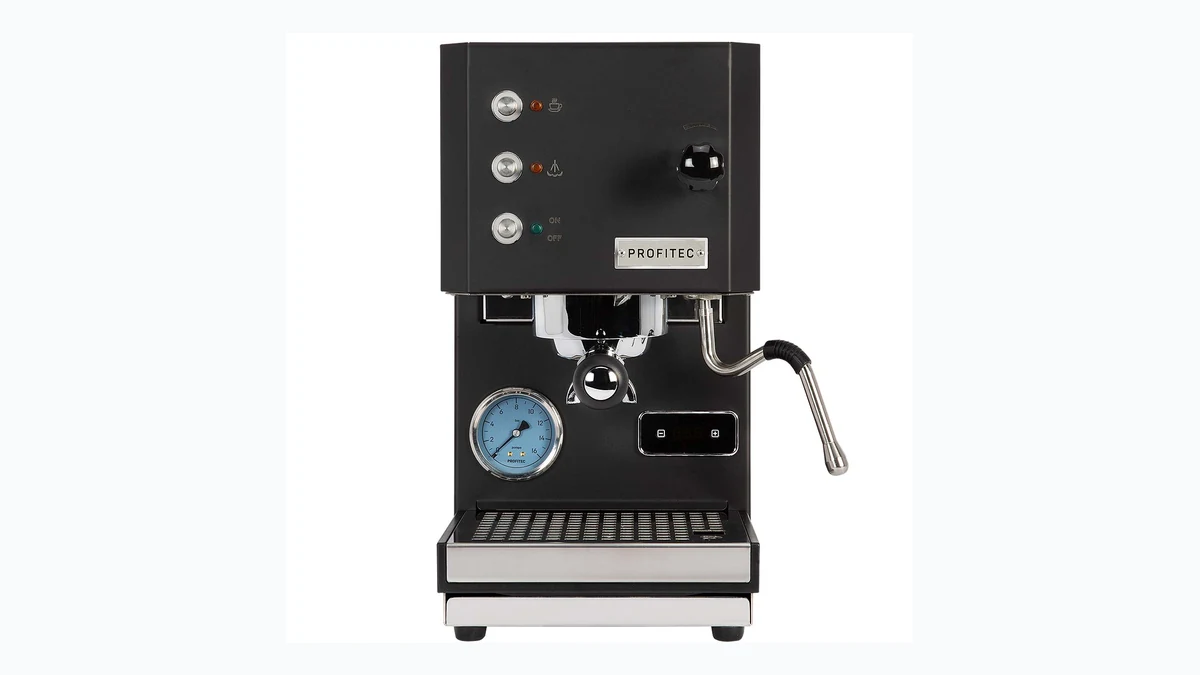
Skip it if you mostly drink straight espresso. The Profitec GO costs less, gives you modern controls, and is the stronger value pick for espresso-first buyers.
Also skip it if one-box simplicity matters. The Breville Barista Pro includes the grinder and gives beginners a faster daily workflow, even if the long-term ceiling is lower.
Diletta Mio vs Profitec GO
Profitec GO is the better value for espresso-first buyers. It has the cleaner control story and leaves more budget for the grinder. Diletta Mio makes its case when steaming milk is a daily requirement and you do not want to jump to a full dual boiler.
If the household makes one or two milk drinks most mornings, the Mio’s separate steam thermoblock is easier to justify. If the household mostly drinks straight espresso or Americanos, GO is the sharper buy.
Diletta Mio vs Rancilio Silvia
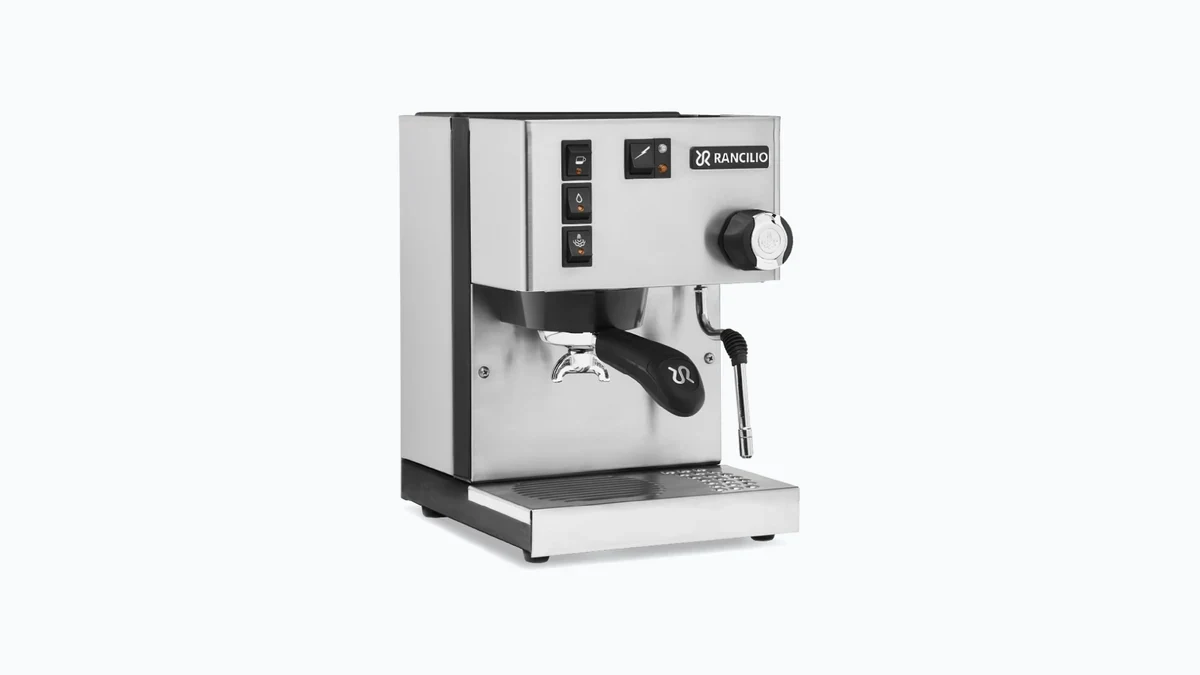
Rancilio Silvia wins old-school build and parts familiarity. Diletta Mio wins modern daily livability. The Silvia asks more from the user because the standard model lacks PID control. The Mio spends more money to reduce that friction.
Where it fits
In our best espresso machines under $1,500 guide, the Mio is the milk-drink balance pick. It is not the value leader, but it is a sensible middle ground between a single boiler and a full dual boiler.
If your budget is lower, read best espresso machines under $1,000. If the grinder is still undecided, start with best espresso grinders under $500.
Related buying paths
- Best value machine upgrade: Profitec GO review.
- Classic build alternative: Rancilio Silvia review.
- All-in-one convenience: Breville Barista Pro review.
- Setup help: espresso setup checklist.
Bottom line
The Diletta Mio is not the cheapest way into serious espresso. It is the more balanced way into compact espresso-and-milk workflow under $1,500. Buy it when the steam side matters enough to pay for it, and make sure the grinder is not an afterthought.
Frequently asked questions
Is the Diletta Mio worth it in 2026?
Yes if you want a compact machine with PID brew control and better milk workflow than many single-boiler machines. It is not the best pure espresso value, but it is a strong fit for daily cappuccino and latte households.
Diletta Mio or Profitec GO?
Buy the Profitec GO if espresso control and value matter most. Buy the Diletta Mio if milk workflow and the separate steam thermoblock are worth paying more for.
Does the Diletta Mio need a grinder?
Yes. Pair it with a serious espresso grinder such as the Eureka Mignon Specialita, MiiCoffee DF54, or Baratza Encore ESP. The machine cannot fix an inconsistent grind.
Is the Diletta Mio a dual boiler?
No. It uses a PID-controlled brew boiler with a separate steam thermoblock. That gives it better milk-drink practicality than a basic single boiler, but it is not the same as a full dual-boiler machine.