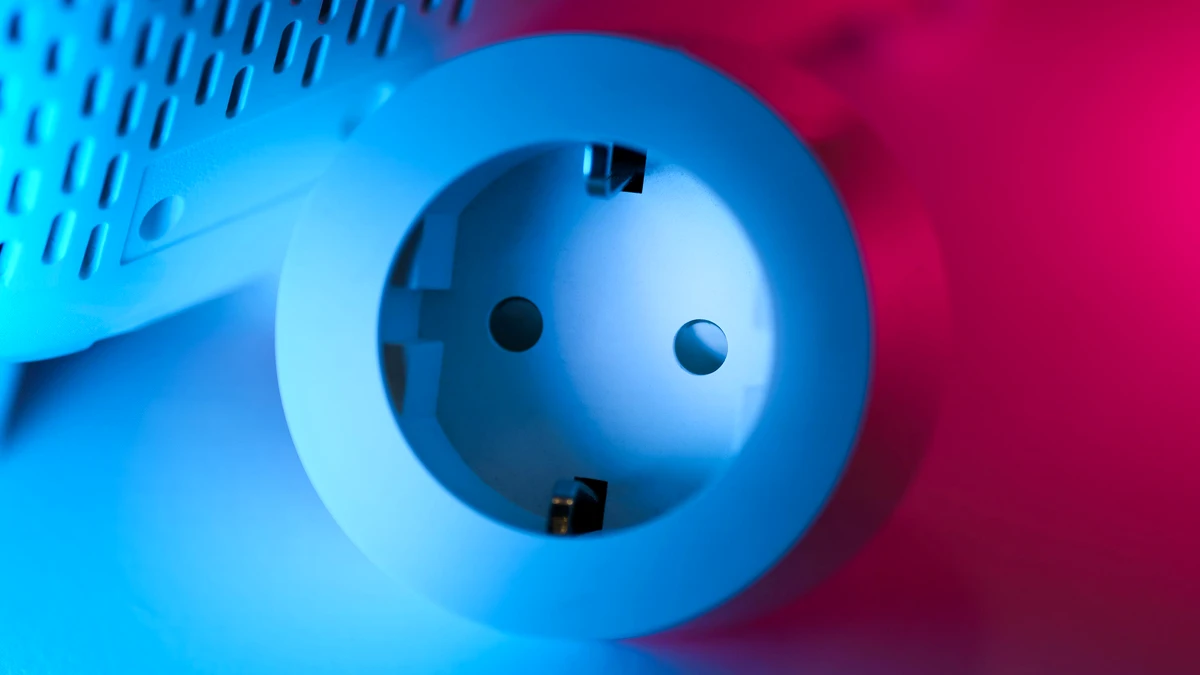
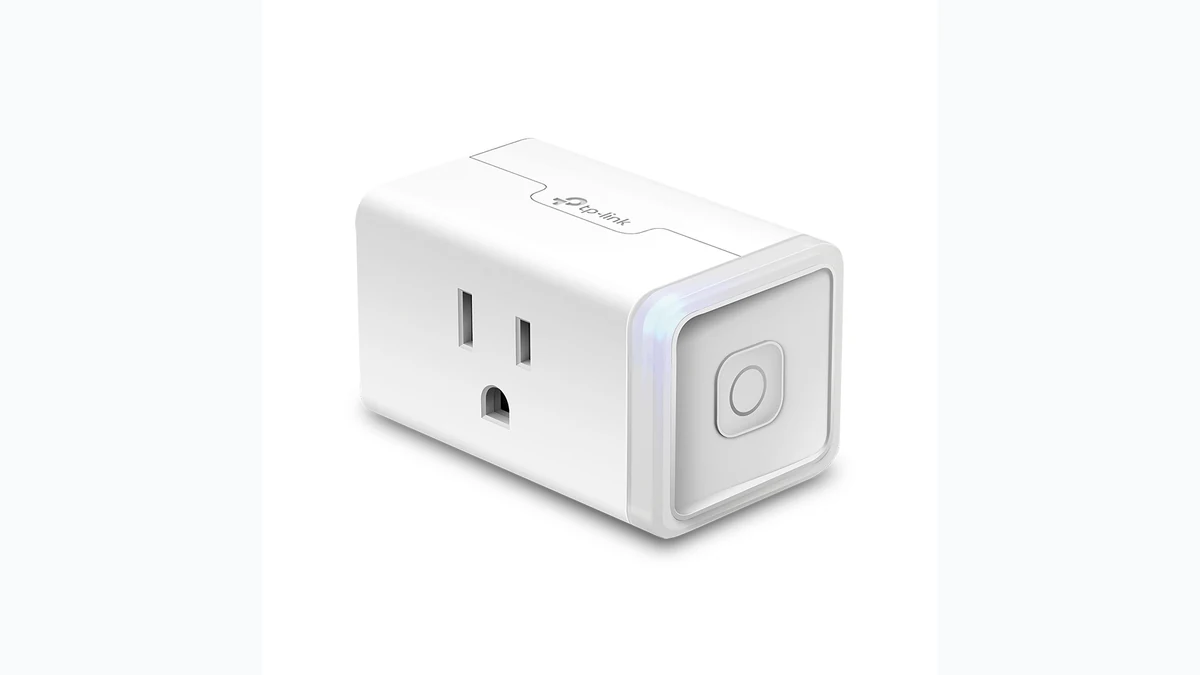
Smart plugs with energy monitoring capabilities have become essential tools for homeowners who want to understand exactly where their electricity is going. Whether you’re trying to reduce your carbon footprint, lower your energy bills, or simply curious about what devices consume the most power, a quality smart plug with real-time energy tracking can provide invaluable insights. In this guide, we’ll explore the best smart plugs for energy monitoring, what features matter most, and how to choose the right one for your needs.
What Makes a Smart Plug Good for Energy Monitoring?
Not all smart plugs are created equal when it comes to energy monitoring. The best models combine accurate power measurement, clear data visualization, and seamless app integration. Here are the key characteristics to look for:
Real-Time Power Monitoring: The plug should display watts, voltage, and current draw in real-time so you can see exactly how much power a device is consuming at any given moment.
Cumulative Usage Tracking: This feature tracks how much energy a device has consumed over hours, days, weeks, or months, helping you identify which appliances are your biggest energy drains.
Accurate Measurement: Look for plugs with ±2% accuracy or better. Poor accuracy makes the data unreliable and defeats the purpose of monitoring.
App Integration: A well-designed mobile app or web dashboard makes it easy to review consumption data, set alerts, and control devices remotely.
Scheduling and Automation: Many energy-conscious users want to automate when devices turn on and off to minimize idle power consumption.
Historical Data: The ability to compare energy usage across different time periods helps you spot trends and identify opportunities to save.
Compatibility with Smart Home Ecosystems: Integration with platforms like Alexa, Google Home, or Apple HomeKit adds convenience and automation potential.
Top Smart Plugs for Energy Monitoring
Meross Smart Plug with Energy Monitor
The Meross Smart Plug stands out as one of the most reliable options for serious energy monitoring. It provides real-time power consumption data with high accuracy and integrates seamlessly with Apple HomeKit, Google Home, and Amazon Alexa. The Meross app displays detailed breakdowns of energy usage, and you can set consumption alerts to notify you when devices exceed a certain power threshold. One major advantage is its compact design—it won’t block neighboring outlets on a power strip. The plug also supports scheduling and away-mode automation, making it practical for reducing phantom power drain.
You can explore this popular option at Check Price.
TP-Link Kasa Smart Plug with Energy Monitoring
TP-Link’s Kasa line has earned strong user loyalty for its simplicity and affordability. The Kasa Smart Plug provides real-time energy monitoring, weekly and monthly usage reports, and integrates with Alexa and Google Assistant. The app is intuitive, showing power consumption in easy-to-understand graphs. TP-Link also offers bundle options where you can purchase multiple plugs at a discount, making it cost-effective if you want to monitor several appliances throughout your home. Kasa plugs are known for reliable Wi-Fi connectivity and responsive remote controls.
Check out the Kasa lineup at Check Price.
Emporia Vue Smart Plug
If you want plug-level monitoring combined with whole-home energy awareness, Emporia’s approach is worth considering. The Emporia Vue system includes individual smart plugs that track device-specific consumption while also providing whole-home monitoring through a dedicated hub. The dashboard clearly displays which appliances consume the most energy and offers personalized recommendations to reduce your electricity bill. This is particularly useful if you want to monitor both individual devices and your total household consumption simultaneously.
Learn more about Emporia Vue at Check Price.
Eve Energy Smart Plug
Eve Energy caters to Apple users with exclusive HomeKit integration, but it also works with standard home automation. It delivers accurate power measurement and displays real-time and historical energy data directly on your iPhone, iPad, or Apple Watch. The Eve app provides detailed consumption history, allows you to set cost thresholds based on your local electricity rates, and will even estimate your monthly bill. The plug supports scheduling and can be included in HomeKit automations. For Apple ecosystem users, this is an excellent choice that seamlessly fits into their smart home setup.
Find Eve Energy plugs at Check Price.
Key Features to Compare
When evaluating smart plugs for energy monitoring, consider these essential factors:
Measurement Accuracy: Most quality plugs claim ±2% to ±3% accuracy. This is sufficient for household monitoring. Lower-cost models sometimes have 5% or higher error margins, which can skew your data.
Maximum Load Capacity: Smart plugs typically handle 15 amps (1800 watts) for standard U.S. outlets, but some support up to 16 amps. Check the specifications if you plan to monitor high-draw appliances like space heaters or air conditioners.
Data Storage and Cloud Backup: Does the plug store historical data locally, or is it cloud-dependent? Cloud storage offers access from anywhere but requires an internet connection.
Standby Power Consumption: Ironically, some smart plugs consume small amounts of power even in standby mode. Look for plugs with sub-1W standby consumption to avoid wasting energy monitoring energy.
Form Factor: Standard plugs are larger and might block adjacent outlets. Slim or right-angle designs are less obstructive if you’re using power strips.
Voice Control: If you use voice assistants, confirm that the plug supports your preferred platform and that voice control works reliably.
How to Use Smart Plugs for Maximum Energy Savings
Simply installing a smart plug isn’t enough—you need to actually use the data it provides. Here’s how to maximize your energy savings:
Identify Phantom Load Devices: Use your smart plugs to monitor entertainment systems, office equipment, and kitchen appliances during off-hours. You’ll likely discover devices consuming power even when not in active use.
Track High-Consumption Appliances: Focus on monitoring your biggest energy users first. A typical refrigerator uses far more energy than a lamp, so prioritize accordingly.
Set Consumption Alerts: Configure your plugs to alert you when consumption exceeds normal levels. This can help you catch faulty appliances or unexpected usage patterns.
Analyze Usage Patterns: Review weekly and monthly reports to understand when your appliances consume the most energy. Many people find that shifting usage to off-peak hours (if your utility offers time-of-use rates) can yield savings.
Schedule Power Shutdowns: Use the scheduling feature to automatically cut power to devices that don’t need to be plugged in 24/7. This is especially effective for chargers and peripheral devices.
Compare and Optimize: Monitor the same devices across different seasons to understand how external factors like temperature affect your consumption.
Compatibility and Integration Considerations
Before purchasing, verify that your chosen smart plug works with your existing smart home ecosystem. If you have an Amazon Alexa setup, ensure compatibility with Alexa-enabled devices. Google Home users should confirm Google Home integration. Apple HomeKit users will want to prioritize plugs that support the HomeKit Secure Router and HomeKit Automation features for the best experience.
Some plugs also integrate with energy management platforms like Sense or Opal, which provide additional analytical capabilities. If you already use one of these systems, choosing a compatible plug will enhance your overall energy monitoring strategy.
Smart Plugs for Different Use Cases
For the Budget-Conscious: If you’re monitoring a single high-draw device like a space heater or air conditioning unit, a basic affordable plug from TP-Link or a generic brand provides adequate functionality without breaking the bank.
For Apple Ecosystem Enthusiasts: Eve Energy seamlessly integrates with HomeKit and offers premium features like HomeKit Secure Router compatibility and HomeKit Automation.
For Comprehensive Home Monitoring: Emporia Vue provides both plug-level and whole-home monitoring, giving you the complete picture of your energy consumption.
For Renters or Temporary Monitoring: A simple plug-and-play smart plug that doesn’t require installation works perfectly for temporary monitoring needs.
For Smart Home Integration Seekers: Meross or Kasa plugs offer the best cross-platform compatibility, working equally well with Alexa, Google Home, or other ecosystems.
Common Questions About Smart Plugs and Energy Monitoring
Will a smart plug pay for itself through energy savings? This depends on your electricity rates and which devices you monitor. Discovering and eliminating phantom loads can save $5–$15 monthly for many households, potentially paying for the plug within a year or two.
Are smart plugs safe? Quality plugs from established manufacturers meet safety standards and include overload protection. Avoid suspiciously cheap options from unknown brands.
Can smart plugs monitor devices that aren’t plugged directly into them? No—plugs can only monitor the device plugged into them. For whole-home monitoring, you’d need a separate energy meter or system like Sense or Emporia Vue.
Do smart plugs work without Wi-Fi? No, they require Wi-Fi to function. However, some can operate locally within your network even if your internet is temporarily down.
Conclusion: Finding Your Best Smart Plug for Energy Monitoring
The best smart plug for energy monitoring depends on your specific needs, budget, and smart home ecosystem. TP-Link Kasa offers unbeatable value for basic energy monitoring with strong app design and multi-platform support. Meross provides excellent accuracy and HomeKit integration for Apple users. Emporia Vue stands out if you want both plug-level and whole-home monitoring combined. Eve Energy is ideal for dedicated Apple HomeKit users who want premium integration.
Investing in smart plugs for energy monitoring is a practical step toward understanding and controlling your electricity consumption. By choosing a reliable model with accurate measurements and a user-friendly app, you’ll gain insights that lead to real energy savings and a smaller carbon footprint. Start by monitoring your most power-hungry devices, establish baseline usage patterns, and adjust your habits based on the data your smart plugs reveal. Over time, this knowledge becomes invaluable for making informed decisions about your home’s energy efficiency.